
Snow Shoveling and Heart Risk: How to Prepare
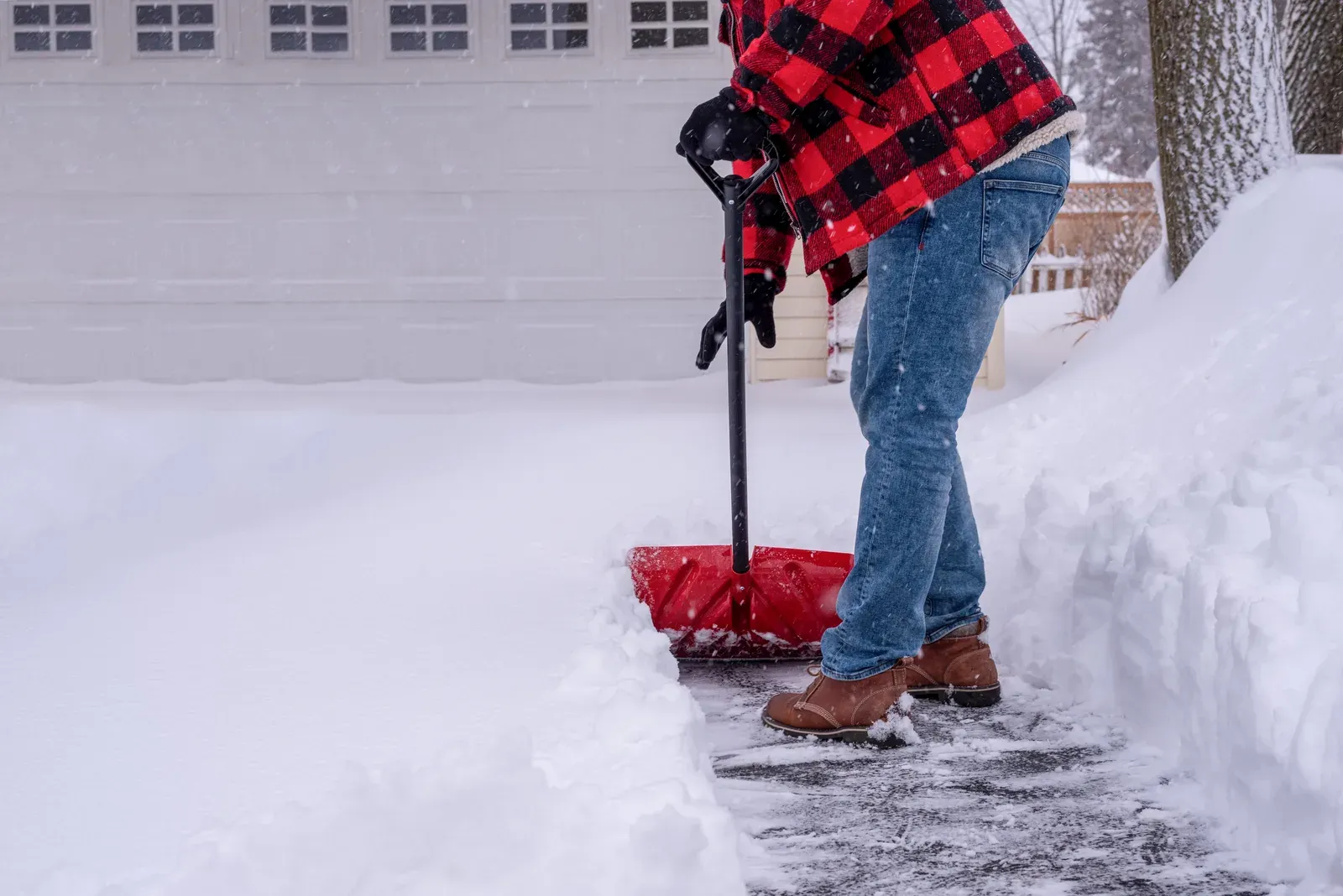
Talk to your physician before a heavy shoveling season if any heart disease risk factors apply to you, because snow shoveling is a well documented trigger for cardiac events, and the danger is not the exercise itself but the specific combination of cold air, sudden maximal effort, and holding your breath against a loaded shovel. This page does not diagnose or treat anything; it explains why shoveling stresses the heart, who should get clearance first, and where a free consultation and an off season strength base fit into lowering that risk.
Why shoveling is harder on the heart than it looks
Shoveling combines several cardiac stressors that rarely stack together in an ordinary workout. Cold air itself narrows blood vessels and raises blood pressure before you have lifted a single scoop. Layer on sudden, near maximal effort, heavy lifting with the upper body first thing, often after a night of no activity at all, and the heart is asked to jump from resting to hard work with none of the warm up a typical exercise session provides. Add the natural tendency to hold your breath while pushing or lifting a full shovel, which spikes blood pressure further, and the combination explains why shoveling shows up so consistently in research on cold weather cardiac events. None of this means shoveling is dangerous for everyone. It means the people already carrying cardiac risk factors are the ones who need a plan, not a surprise.
Who should get clearance before shoveling hard
A conversation with your physician before the first heavy snow matters most if you have diagnosed heart disease, high blood pressure that is not well controlled, a history of chest pain with exertion, diabetes, a smoking history, or you are simply out of practice with hard physical effort and past midlife. If any of that describes you, the honest move is asking your physician a direct question: is shoveling snow, or any sudden heavy exertion in the cold, appropriate for me, and what limits should I follow. A trainer cannot answer that question and should never pretend to.
What off season strength training changes
Here is where coaching has a real, limited role. Shoveling asks for leg drive, trunk bracing, and grip and shoulder strength under sudden load, qualities that respond to regular strength training the same way they respond to any physical task. An adult who deadlifts, carries loads, and trains their legs through the fall arrives at the first snowfall able to produce that same force without it being the most demanding thing their body has done in months. That is the entire mechanism: familiar effort is safer than unfamiliar maximal effort, because the body is not being asked to do something completely novel under stress. Building that base starts with an InBody baseline, so a coach can see where your strength actually stands before the first storm; more on what that first visit covers lives in what’s in a free consultation.
Pacing a session for anyone cleared to shovel
For anyone cleared by a physician to handle regular winter shoveling, pacing matters almost as much as strength. Pushing snow rather than lifting it avoids the heaviest spinal loading entirely, and it is worth doing even when lifting feels manageable. Smaller scoops beat fewer big ones, since a shovel loaded past a comfortable weight is exactly what turns a routine chore into a maximal lift performed in the cold. Breaking a long driveway into shorter stretches with brief pauses lets the heart rate settle between bursts instead of staying pinned high for the entire job, and warming up indoors for a few minutes before stepping outside gives blood vessels a head start against the cold rather than asking them to constrict and produce force in the same instant. None of these adjustments replace physician clearance for anyone carrying real risk factors, but for a cleared adult they turn a known risky activity into a considerably safer one.
Questions to ask your clinician first
Bring these to your physician before a heavy snow season, especially if any cardiac risk factors apply to you:
- Is sudden heavy exertion in cold weather appropriate for me right now?
- Are there symptoms during exertion that mean I should stop immediately and call for help?
- Should I avoid shoveling entirely and hire it out instead?
- Does any medication I take affect how my heart responds to cold or exertion?
- How should I pace a shoveling session if I am cleared to do it?
What a coach’s role actually is, and is not
A personal trainer does not diagnose heart disease, does not manage medication, and does not decide whether shoveling is safe for you. What a coach builds is the strength and conditioning base that makes ordinary winter demands feel ordinary again, inside whatever limits your physician sets. If your physician has cleared you for regular exercise, that clearance is the starting point a coach works from, not a substitute for it. And if shoveling itself is off the table for you this winter, a season of indoor strength training is still worth building, since spring yardwork and next winter both arrive eventually, and the seasonal strength case for gardening and yardwork makes the same argument for the other end of the calendar.
Central Indiana gets a real winter, typically around 22 inches of snow across the season, so this is not a once a decade question here. Build the strength in the fall, get clearance if any risk factors apply, and let the first snowfall be routine instead of a test.
Related questions
Is snow shoveling actually dangerous, or is this overstated?
The risk is real and well documented, particularly for people with existing cardiac risk factors, cold weather and sudden heavy exertion together are a known trigger. It is not a reason for a generally healthy person to panic, but it is a reason to take the conversation with a physician seriously if any risk factors apply.
Can strength training actually lower my risk?
It can help by making the leg, trunk, and grip demands of shoveling familiar rather than novel, which is protective. It does not replace physician clearance for anyone with existing heart disease or risk factors, and a coach will always defer to that clearance first.
What symptoms mean I should stop shoveling immediately?
Chest discomfort, unusual shortness of breath, dizziness, or pain spreading to the arm or jaw are reasons to stop immediately and seek medical attention. Review your specific warning signs with your physician before the season starts, since your history may add more.