
How to Keep Training During Ramadan
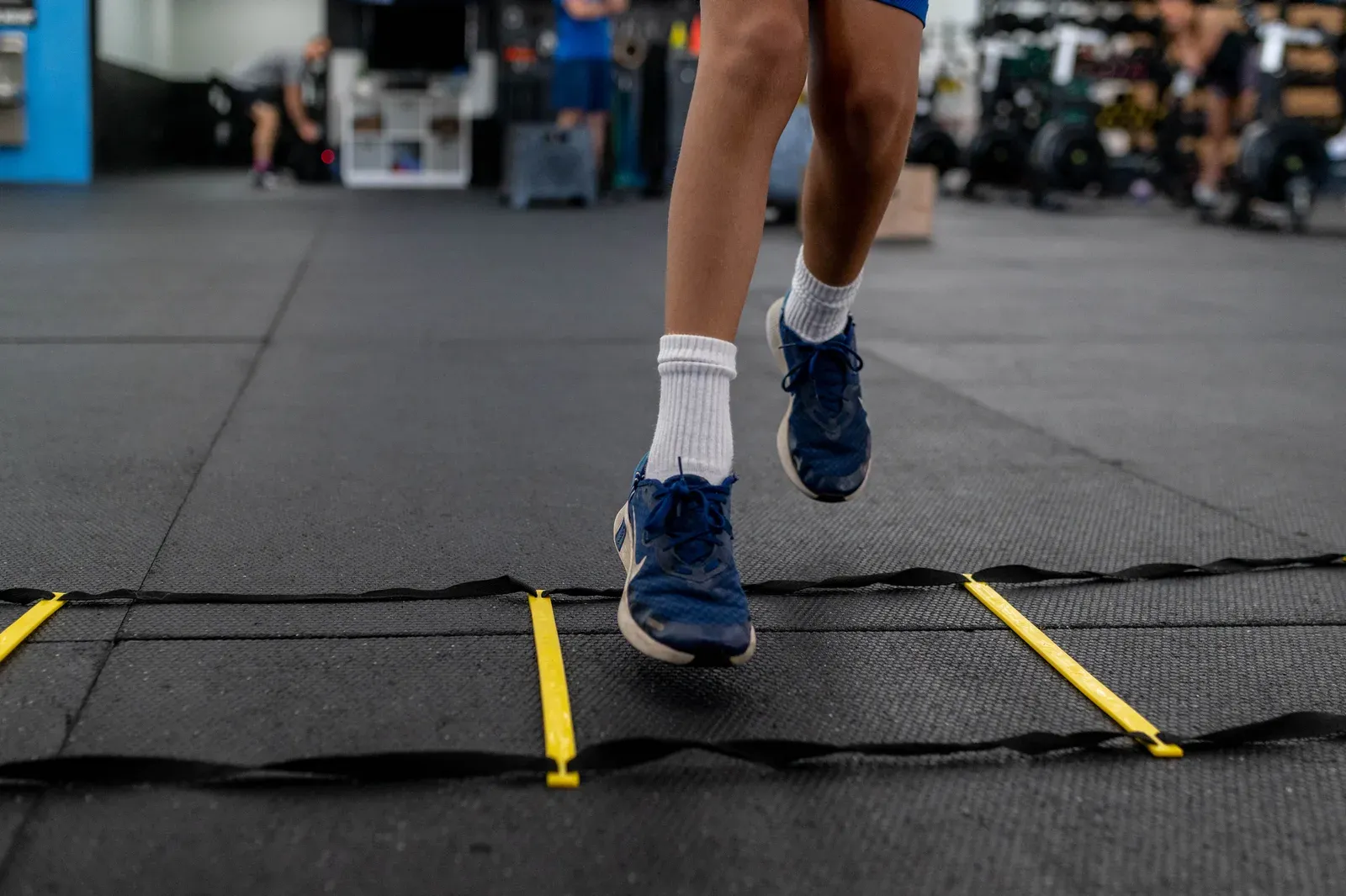
Training during Ramadan works best around two windows, a session before dawn’s meal or a scaled back one in the hour before you break the fast, with intensity dialed down during the fasting hours themselves rather than held at your normal pace. Ramadan, the Islamic month of dawn to sunset fasting, is expected to run from around February 7 to 8 through about March 9 in 2027, with exact dates set by moon sighting, and training through it is entirely workable with a few honest adjustments rather than a month off. In Carmel, a coach who knows your schedule during the month, whether that means an early FlexWerk session before suhoor or a lighter evening slot after iftar, keeps the habit intact instead of shelved for four weeks, and a free consultation is the place to plan that calendar out before the month starts.
Two windows that actually work for fasting
Training in a fasted, dehydrated state during daylight hours is the hardest version of the month to sustain, so most people who keep training successfully pick one of two windows instead. The first is before dawn, after suhoor, the pre-fast meal, and before the fast itself begins, when you are fed and hydrated even if the hour is early. The second is late afternoon or evening, close to or just after iftar, the meal that breaks the fast, once food and fluids are back in the system. Both windows have real trade-offs: the pre-dawn slot demands an earlier alarm during an already tiring month, and the post-iftar slot means training on a fuller stomach unless you wait long enough after eating. Neither is universally better, and the right one depends on your own schedule and how your body actually responds, which is worth testing in the first week rather than assuming.
What to scale back, and what can usually stay
Fasting changes the honest ceiling on a workout more than it changes what kind of workout is possible. Cardio intensity is the first thing to come down: a normally hard interval session during a fasted window often needs to become a moderate one, because the body is training on lower glycogen and fluid reserves than usual. Strength training tends to tolerate the fast a little better, especially in the pre-dawn window when you are fed, though total volume commonly drops slightly and that is a reasonable trade rather than a failure. Skill work, mobility, and technique practice hold up well throughout the month regardless of timing, since they do not depend heavily on fuel availability.
Hydration and food timing around the workout
- Load fluids at suhoor, not just food. Water intake before dawn matters as much as what you eat, since it is the only fluid window before an evening training session many hours later.
- Prioritize protein and slower carbohydrates at iftar if your session lands afterward, rather than only quick sugars that spike and crash before you even get to the gym.
- Treat the two or three hours after iftar as a rehydration window, not just a meal, especially before an evening session.
- Expect training to feel harder for the first several days. The body typically adjusts its fluid and fuel handling to the new rhythm within about a week, and sessions that felt brutal on day two commonly feel manageable by day eight.
Reading your body honestly during the fast
Training through Ramadan is not a test of willpower, and pushing a hard session on a day where hydration or sleep fell short is how the month turns into an injury story instead of a maintained habit. Lightheadedness, unusual heart rate spikes, or a session that feels disproportionately harder than the effort should explain are signs to scale that day back, not push through. A coach who knows you are fasting adjusts the plan session to session rather than running the same program you would run any other month, and flagging how a session actually felt matters more during this stretch than it does the rest of the year.
Making a plan that survives the whole month
The training that survives Ramadan intact is usually simpler than the training that gets attempted and abandoned by week two: two or three sessions a week, timed to one of the two windows above, with intensity that flexes day to day based on sleep and how the fast is sitting that week. At FlexWerk in Carmel, that flexibility is built into how sessions work anyway, appointments rather than fixed class slots, so shifting a session earlier for suhoor timing or later around an iftar gathering does not mean losing the week entirely, the way a rigid class schedule would. The same appointment based structure that helps a Carmel professional working around a heat wave or a lifter training carefully around an elbow injury is exactly what makes a fasting month workable too, the schedule bends to the reader’s actual calendar rather than the other way around.
After the month ends
Intensity and volume typically climb back to normal over one to two weeks once regular eating and sleep patterns return, rather than snapping back the first day after Ramadan ends. Treat that return the way you would treat coming back from any other planned break, gradual reloading rather than picking up exactly where late February left off. If your training home base itself is new to you, the full picture of FlexWerk’s Carmel City Center location covers the hours and layout worth knowing before you plan a pre-dawn or post-iftar session around it.
Plan the month’s two windows now, before the first fasting day arrives, and the habit has a real chance of surviving intact to the other side.
Related questions
Is it safe to lift weights while fasting?
For most healthy adults, moderate strength training during a fed window like right after suhoor is generally manageable. Anyone with a medical condition affected by fasting should check with their physician before planning a training schedule around it.
Should I stop training completely during Ramadan?
Not necessarily. Most people do better keeping two or three lighter, well timed sessions through the month than stopping entirely and restarting fitness from scratch afterward.
When does Ramadan happen next?
The exact dates shift each year with the lunar calendar and moon sighting, so checking a current Islamic calendar close to the date is the reliable way to plan training around it.