
Hunting Fitness Training for Indiana Deer Season
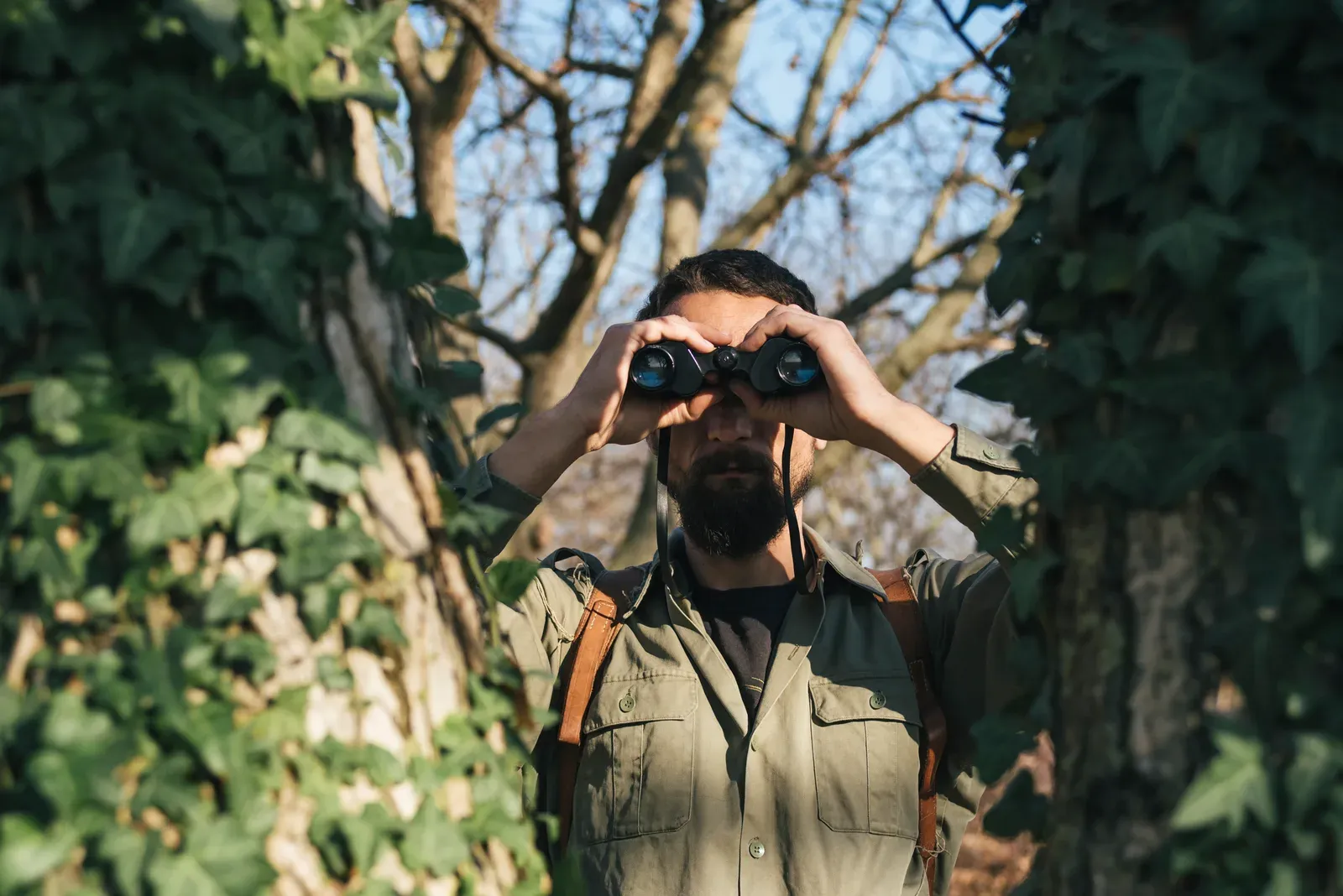
Hunting fitness training targets four specific demands Indiana’s deer season puts on your body: carrying a loaded pack for miles, climbing into and out of a stand safely, sitting still for hours in the cold, and dragging out whatever you harvest, and the training window to prepare for all four is shorter than most hunters think. Indiana’s archery season opens October 1 and firearms season runs mid to late November, so the real prep work happens now, built with a coach through a free consultation rather than guessed at the week before opening weekend.
The Indiana season, and why the training window is short
Indiana’s deer archery season opens October 1, and firearms season runs from mid to late November, with exact dates worth checking against the DNR calendar each year since they shift slightly. That gives most hunters roughly six to eight weeks between the first serious cold snap and opening weekend to get their bodies ready, which is a short runway if the rest of the year has been sedentary. The smarter approach treats late summer as the actual training season, so the body arriving at opening weekend is already conditioned rather than starting from zero the week before.
Pack carry strength
A loaded pack, rifle or bow, gear, and whatever you are hoping to carry out, asks for trunk stability and leg endurance under a sustained load, not a single lift. The training analog is loaded carries and weighted rucking: walking under load builds the exact tissue tolerance a multi mile approach or a long walk back to the truck demands, and it is one of the simplest exercises to add to an existing program. Hip and core strength matter as much as leg strength here, since an unstable trunk under a loaded pack is where hunters feel it the next day, not just in the legs.
Stand climbing and sitting still
Climbing into a tree stand combines grip strength, single leg stability, and a bit of nerve, and none of those improve by sitting behind a desk the other eleven months of the year. Grip and pulling strength, built through rows and hangs, make the climb itself feel less like a risk and more like a rehearsed movement. The sitting part deserves attention too: hours of cold, motionless waiting stiffens the hips and low back, and hunters with a base of mobility work handle a full morning in a stand noticeably better than hunters without one. A private suite session focused on hip mobility and single leg strength builds both halves of that equation at once.
Steadying the shot itself
Whatever the weapon, the shot happens at the end of everything else, often after a long, cold, motionless sit, and a fatigued or stiff body shakes more than a fresh one does. A bow draw is a loaded pulling movement held under tension for a few controlled seconds, and shoulder and upper back strength directly steadies that hold rather than letting it waver as the seconds tick by. A rifle rest depends more on trunk stability and controlled breathing than on raw strength, but a core that can brace quietly, without the small tremors an untrained trunk produces under sustained isometric effort, still makes the difference between a steady rest and a shaky one. Training the same pulling and bracing patterns that support the pack carry and the climb pays a second dividend here, at the exact moment the whole season has been building toward.
The drag: the demand nobody trains for
Here is the moment most hunting fitness advice skips entirely. Dragging a harvested deer, sometimes a considerable distance over uneven ground, is one of the more physically demanding things many hunters do all year, and it typically happens at the end of a long, cold day, tired, with adrenaline fading. It is a full body pulling and bracing task under load, closer to a strongman event than a walk, and it is exactly the kind of effort that catches an untrained back off guard. Hinge strength, the same pattern trained in a deadlift, is the direct preparation for a safe drag, and it is worth training deliberately rather than hoping adrenaline carries you through.
Building the off season base
The honest fix is treating September as training season, not opening weekend. A coach can build a short block around the four demands above: loaded carries for the pack, pulling and grip work for the climb, hip mobility for the sit, and hinge strength for the drag, all trainable in a private suite session that fits around a work schedule the same way any other appointment would. The build versus maintain logic behind this is the same one that governs training around a short, demanding season in any sport, and hunters splitting their fall between the stand and a set of golf clubs will recognize the same seasonal pattern in offseason golf training. For anyone whose outdoor calendar runs from the woods into the water, the lake season guide covers the other end of the year.
Train the four demands deliberately this September, and opening weekend stops being the first hard day your body has had all year.
What a coached hour spends its time on
A private suite session built around a hunting season goal does not look like a generic workout. It opens with loaded carries at a pace that mimics the approach, moves into rows and hangs for the grip and pulling strength the climb demands, spends real time on hip and ankle mobility for the sit, and finishes with hinge patterns loaded progressively enough to matter for a real drag. A coach who understands the season programs around it rather than handing over a template built for a different goal, and a body trained this specifically arrives at opening weekend already familiar with the exact demands the day will make of it, not just generally fit.
Related questions
When should hunting fitness training start for Indiana's season?
Late summer, ideally by September, gives six to eight weeks before archery season opens October 1. Starting the week before opening weekend leaves no time to build the strength the season actually demands.
What is the single most overlooked part of hunting fitness?
Dragging a harvested deer. It is a full body pulling and bracing task that often happens at the end of a long, cold day, and it catches more hunters off guard than the walk in or the climb ever does.
Do I need special equipment to train for hunting season?
No. Loaded carries, rows, hinge patterns, and hip mobility work cover the four core demands, and all of it is standard strength training done with intent, available in any coached private suite session.