
Vegetarian Protein for Building Muscle
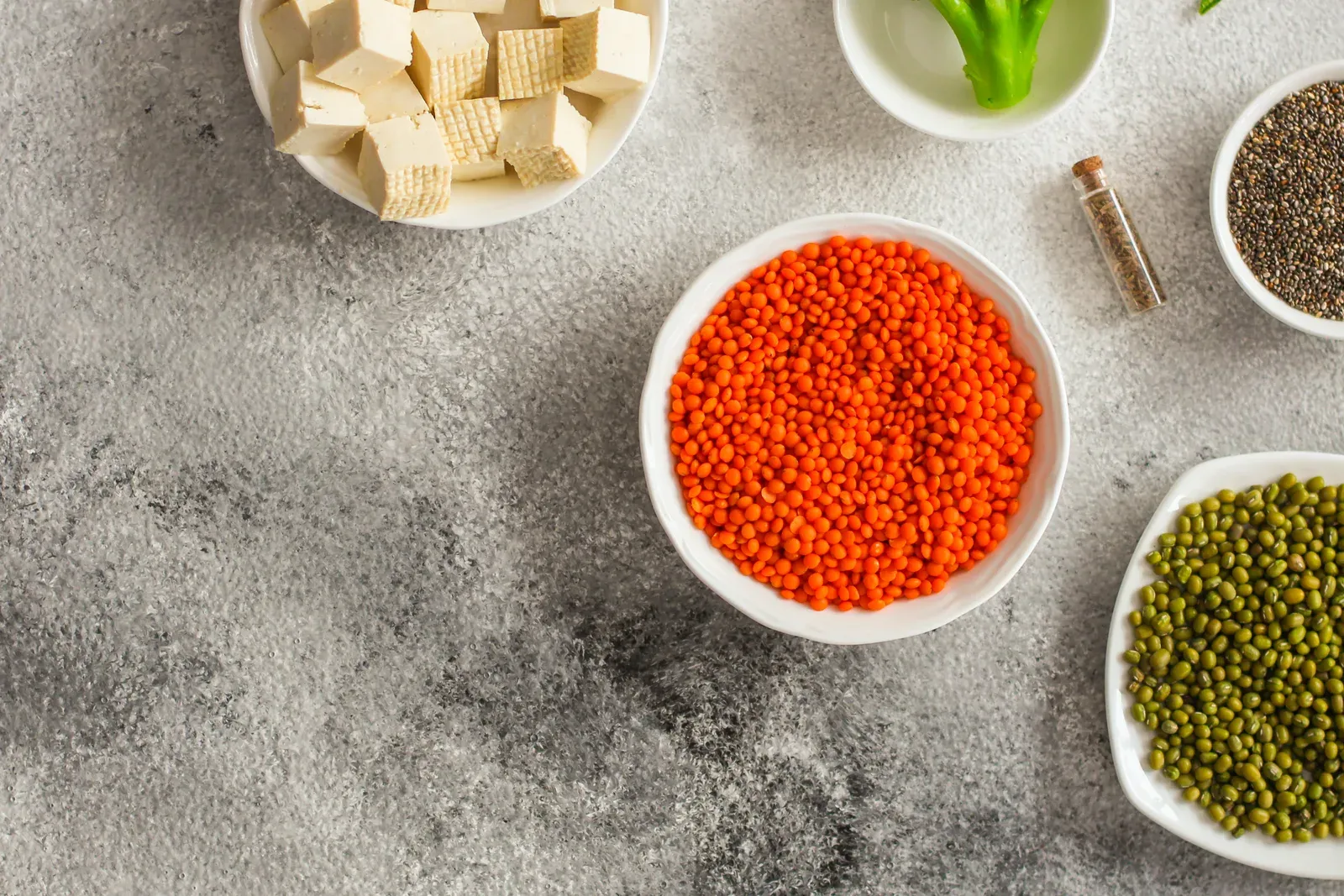
Building muscle on a vegetarian diet, including a traditional Indian vegetarian diet built around lentils, dairy, and legumes, works the same way it does for anyone else: enough total protein spread across the day, paired with strength training that actually asks the muscle to grow. The honest challenge is not that plant and dairy proteins fail to build muscle, they do, it is that vegetarian meals commonly run lighter on protein per serving than a meat centered plate, which means the plate has to work a little harder on purpose. At FlexWerk in Carmel, coaches build strength programs around real eating patterns rather than a generic meal plan, and a free consultation is where that conversation starts alongside a free InBody body composition scan.
Why vegetarian protein gets an undeserved reputation
Muscle does not care where amino acids came from, it responds to total protein intake and to the training stimulus asking it to adapt. What makes vegetarian muscle building genuinely harder in practice is not biology, it is that a typical vegetarian meal, a bowl of dal and rice, a vegetable curry, tends to carry less protein per serving than a chicken breast or a steak, so hitting the same daily total takes more deliberate meal planning rather than more willpower.
The protein sources that carry a vegetarian plate
For a lactovegetarian diet, the kind common in a lot of Indian households, several everyday foods do real work:
- Lentils and dal, a genuine protein source and a daily staple already, though they need pairing with grains or dairy across the day to round out the full amino acid picture.
- Paneer and yogurt, dairy proteins that digest efficiently and slot easily into meals already on the table.
- Milk, plain or blended into a shake, an easy way to add protein without adding a new dish to cook.
- Chickpeas and other legumes, versatile, protein dense, and already common across curries and snacks.
- A whey or plant-based protein supplement, useful for closing a gap on busy days, though it is a supplement to real food, not a replacement for the meals above.
Making the math work across a day
The practical habit that moves the needle is spreading protein across three or four meals rather than loading it all into dinner, since the body uses protein for muscle building most efficiently in servings rather than one large dose. A useful mental model: aim for a genuine protein source, dal, dairy, legumes, or a shake, at every meal rather than treating protein as a single daily total to hit however it lands. Older adults building muscle specifically tend to need more protein per meal than younger lifters to trigger the same muscle response, a pattern covered from the general population side in building muscle after 50, and the same principle applies whether the protein source is a ribeye or a bowl of dal.
Where a coach’s role stops
A coach can build training around your eating pattern, suggest where protein is thin across your actual day, and check progress through strength gains and an InBody re-scan rather than guesswork. Specific medical nutrition needs, kidney considerations, a diagnosed condition, or a detailed meal plan built to a gram, belong with a registered dietitian rather than a trainer, and a good coach says so plainly rather than improvising outside their scope. For the training side of a similar recomposition goal, the plan for men managing muscle and fat after 40 covers the strength half of the same equation this page covers from the food side.
Add one genuine protein source to a meal that currently has none, and let the training do the rest.
Related questions
Can a vegetarian diet really build as much muscle as an eating pattern with meat?
Yes, given enough total protein and consistent strength training. The nutrient itself does not care about its source, the practical work is making sure enough of it lands on the plate across the day.
Do I need a protein supplement if I already eat dal and dairy?
Not necessarily. A supplement is useful for closing a gap on a busy day, but dal, paneer, yogurt, milk, and legumes can carry most vegetarian eaters most of the way without one.
How much protein do I actually need to build muscle?
Needs vary by body size, training volume, and age, so a coach or dietitian can help set a personal target. The more useful habit to start with is simply adding a protein source to every meal rather than fixating on one number.