
Achilles Tendinopathy: Lower Body Workouts That Still Work
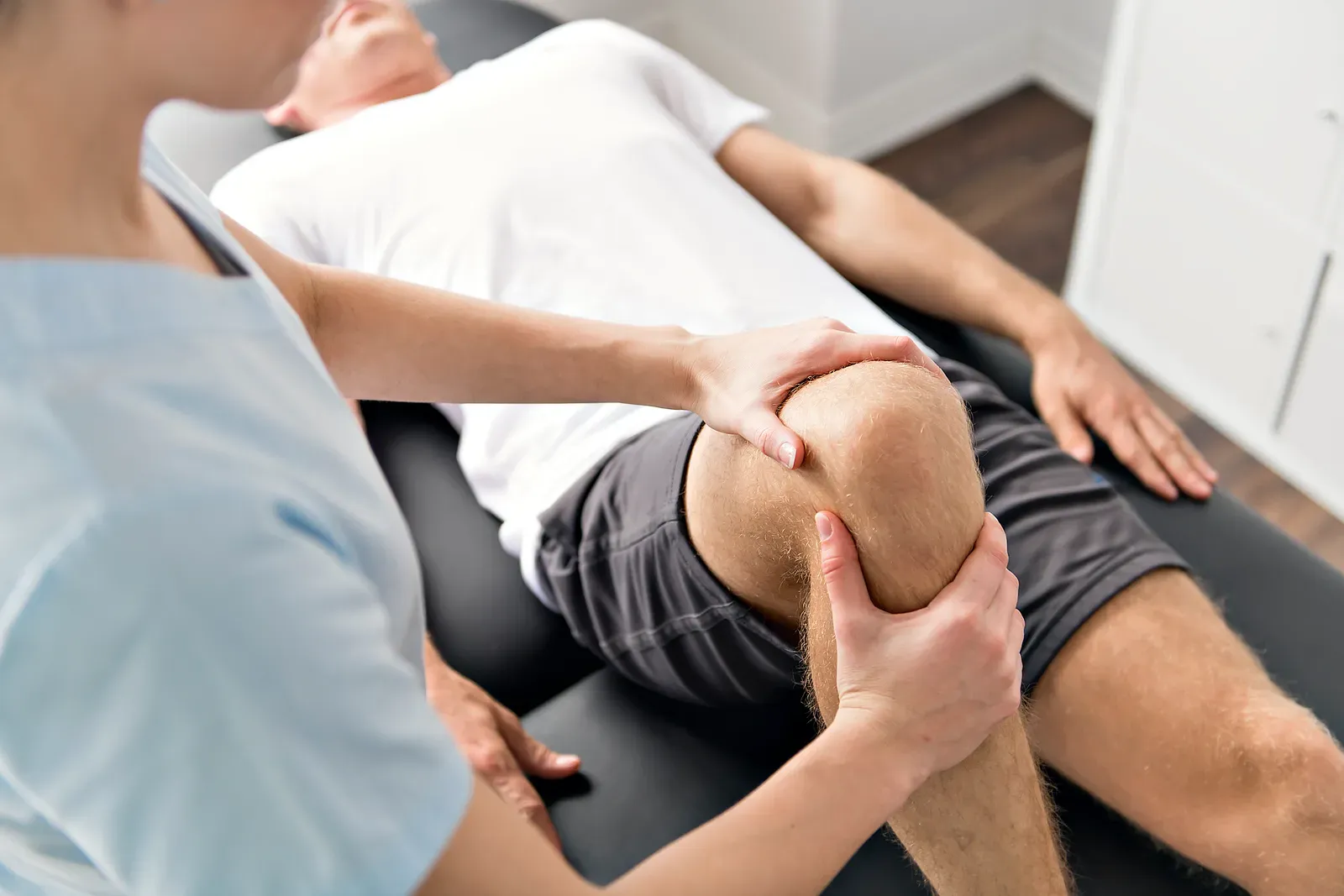
Achilles tendinopathy usually calls for progressive, coach scope calf loading rather than complete rest, but the specific loading plan should come from your physician or physical therapist, and anything that feels like a sudden tear needs immediate medical attention, not a workout. Tendinopathy develops gradually from repeated load the tendon has not adapted to, and it typically responds to a structured increase in calf loading over time, which is different from an acute injury and different from simply pushing through pain. At FlexWerk in Carmel, a coach picks up the calf loading plan your clinician has outlined and keeps the rest of your training moving around it, starting with that history at a free consultation.
Questions to ask before you load the tendon
- Has this been confirmed as tendinopathy, and not something more acute?
- What loading progression have you recommended, and at what pace?
- Are single leg calf raises or heel drops appropriate yet, or too much?
- Should running, jumping, or other impact stay off the table for now?
- What Achilles symptom would mean I should stop and call you?
The difference that changes everything
A tendon that hurts gradually, aches after activity, and feels stiff in the morning is behaving like tendinopathy, an overuse pattern that generally improves with consistent, appropriately dosed loading. A tendon that gives way suddenly, especially with a pop or a feeling like being struck in the back of the leg, is a different event entirely and needs emergency evaluation, not a training modification. A coach who hears the second description sends you to be seen immediately rather than adjusting a workout.
What loading typically looks like once cleared
Programs for Achilles tendinopathy commonly progress from isometric calf holds, simply holding tension without moving, toward slower, heavier calf raises, and eventually toward more dynamic loading if your physical therapist clears it. Pain during a set is not automatically a stop signal in tendon rehab the way it might be elsewhere, but the specific pain guidelines belong to your clinician, and a coach follows that guidance rather than inventing one.
Keeping the rest of the body moving
An Achilles issue does not have to shut down a whole program. Upper body pressing and pulling, seated or supported core work, and non impact cardio like a stationary bike or a rowing machine can typically continue while the tendon follows its own slower timeline. Balance and single leg control work away from the painful range often stays available too, a theme covered more broadly in coached balance training, and keeping the rest of the body strong makes the eventual return to full lower body training faster, not slower.
Staying honest about coach scope
A coach does not diagnose tendinopathy versus a partial tear, does not set the loading dosage from scratch, and does not clear you for running again, that belongs to your physician or physical therapist. Training around an injury covers how coaches generally handle a joint or tendon that needs modified work, and telling a trainer about an old injury explains why sharing the full history, including anything that happened years ago, changes how a coach builds around it.
Once your loading plan exists, a consultation is where a coach fits the rest of your training around it.
Related questions
Should I stop all exercise with Achilles tendinopathy?
Usually not entirely. Complete rest often makes tendinopathy less resilient rather than more, which is why most guidance favors progressive loading over full stoppage. Your physician or physical therapist sets the specific loading plan for your case.
What is the difference between Achilles tendinopathy and a rupture?
Tendinopathy develops gradually from overuse and causes aching, stiff pain. A rupture is sudden, often described as feeling like being kicked in the back of the leg, and needs immediate medical attention rather than a training plan.
Can I still do upper body and core training with a sore Achilles?
Yes, in most cases. Upper body strength, seated or supported core work, and non impact cardio like a stationary bike can typically continue while calf loading follows its own separate, slower progression.