
Strength Training for Low Testosterone: What It Can Do
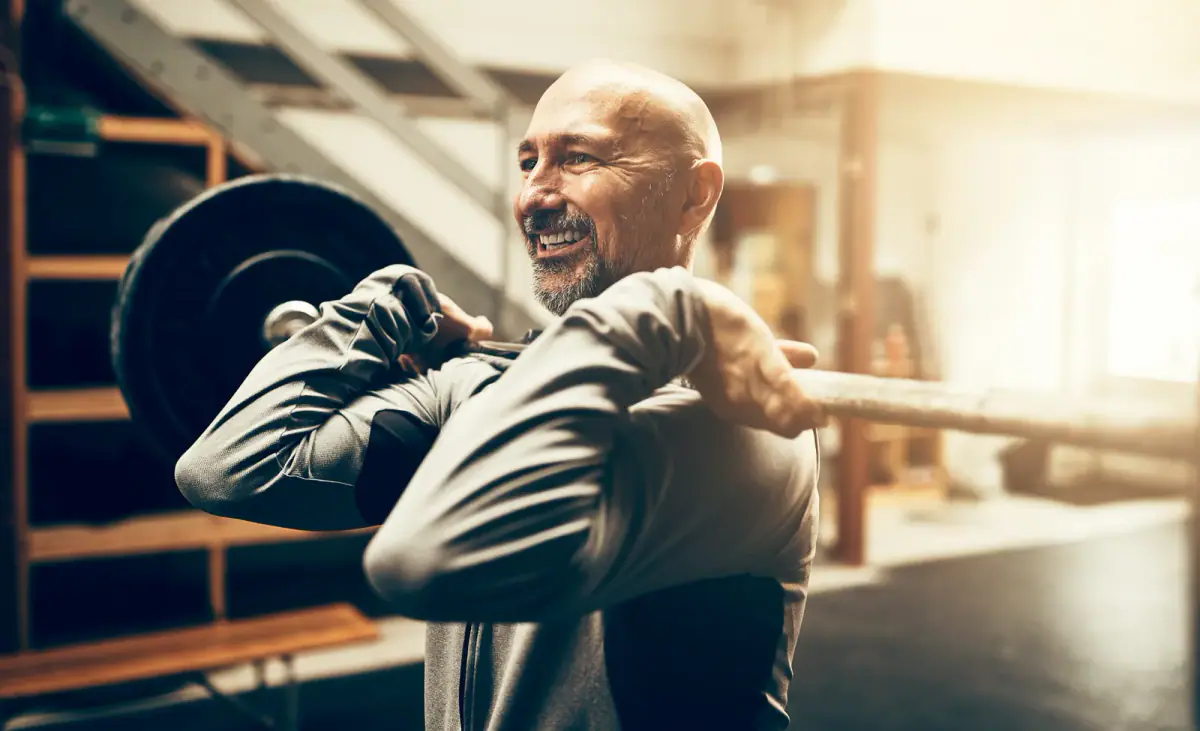
Strength training can help men with low testosterone build muscle, strength and energy, but it supports medical care rather than replacing it. Talk to your physician about symptoms and testing before relying on exercise, since fatigue and low drive have many possible causes. A coach builds the training, and the strength training approach in Carmel focuses on steady progressive lifting that suits this situation.
What lifting can and cannot do
Lifting is a good fit because research links resistance training with more muscle, less fat and better energy, which are the areas many men with low T want to work on. It does not diagnose a hormone problem, and it cannot be promised to raise your levels. The honest framing: training works on the things you can feel and measure, while your doctor handles the hormone question.
| Training can support | Training cannot do |
|---|---|
| Muscle and strength | Diagnose low testosterone |
| Body composition | Replace treatment |
| Energy and mood | Promise a hormone change |
| Bone and joint resilience | Settle the cause of symptoms |
Three levers that sit next to training
- Sleep. Short or broken sleep is associated with how men feel and with hormone levels. A regular seven hour window helps, and snoring or pauses in breathing deserve a doctor visit.
- Body fat. Excess abdominal fat is commonly linked with lower testosterone. Gradual fat loss, supported by lifting, is often part of the physician conversation.
- Alcohol and stress. Heavy drinking and chronic stress both work against recovery. Moderation helps the rest of your plan work.
A training week
- Two to three full-body sessions. Squat or leg press, a push, a pull and a hinge each time.
- Moderate loads, controlled reps. Eight to ten reps, a couple in reserve, stopping before form slips.
- Walking most days. It builds a base without eating into recovery.
- One easy week every fifth or sixth week. Tired lifters stall, and a lighter week often restarts progress.
Progress may be slower than you hoped, and that is normal. The muscle gain per month guide gives realistic ranges, so expectations stay grounded.
Questions to ask your physician first
- Which tests are appropriate, and when should they be done?
- Could a sleep problem, medication or another condition explain what I feel?
- Are there heart, blood pressure or other limits on how hard I can train?
- If treatment starts, how should my training adapt, and should my coach and I know?
If you do begin treatment, the TRT and strength training guide explains how the training side usually stays the same.
Setting honest expectations
Many men notice the first change in how they handle the work: recovering between sets, sleeping a little better and feeling more capable. Visible muscle takes months, and body fat moves more slowly than strength. Keep a simple log of lifts, waist and energy so that your doctor visit and your training notes tell the same story.
What a coach does and does not do
A coach plans the lifts, teaches form, tracks progress and keeps recovery sensible. A coach does not interpret blood work, suggest supplements or comment on medication. If a symptom sounds medical, a good coach points you back to your doctor.
At FlexWerk in Carmel City Center, training happens in private suites, and each coach sets their own terms. The free consultation includes an InBody scan, which shows muscle and fat separately, and gives you something concrete to compare against when you rescan.
Related questions
Can lifting weights raise testosterone?
Resistance training can produce short-term hormone changes after a session, but evidence for large lasting increases in men with clinically low levels is limited. Its stronger benefits are muscle, strength, mood and body composition.
Should I get tested before changing my training?
If you have persistent fatigue, low drive or other symptoms, talk to your physician. Training can usually start in parallel once your doctor agrees.
Does losing weight help low testosterone?
Excess body fat is commonly associated with lower testosterone, and losing weight is often part of what a physician discusses. A coach can support the training and habits, while your doctor manages testing and treatment.