
Rucking vs Strength Training for Women Over 40
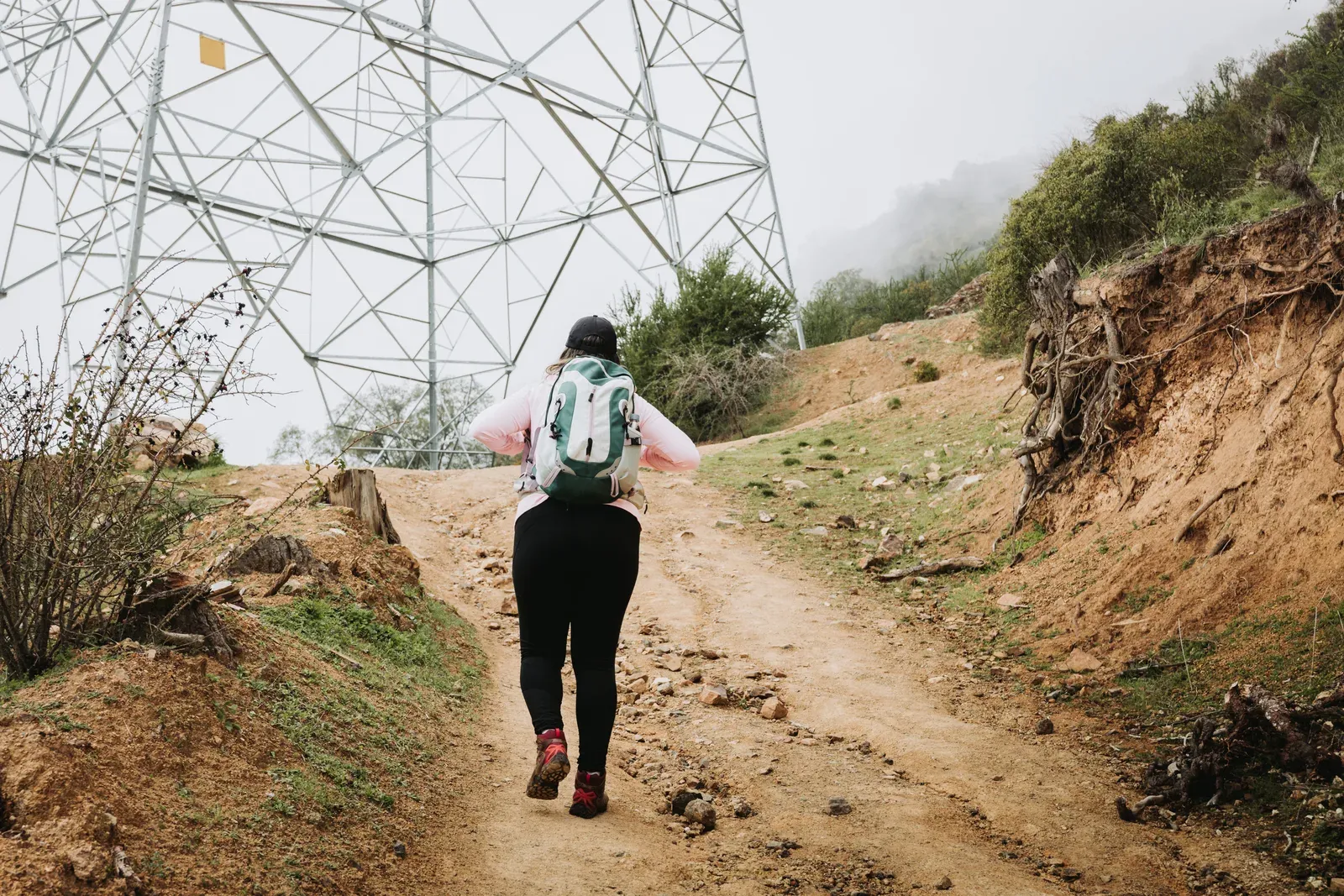
Rucking, walking with a loaded pack, and strength training are not competing answers for a woman over 40; they answer different questions, and the decisive one, keeping muscle and bone through the decade when both start slipping, belongs to progressive lifting. Rucking earns a real place as the best way to make walks count for more. It cannot be the anchor, and the pack sellers rarely say so. FlexWerk’s coaches in Carmel build the anchor half, starting with a free consultation that includes a free InBody body composition scan.
What a loaded pack genuinely builds
Endurance under load, which is a quality walking alone never touches. A pack at 10 to 20 percent of body weight raises the effort of every step, asks the legs, hips and trunk to work harder for longer, and gives the skeleton a steadier loading signal than an unweighted stroll. Rucking also trains the posture that a pack demands, because slumping under 25 pounds is uncomfortable enough to self-correct, and it turns an ordinary route into aerobic work at a pace that stays conversational.
There is a practical charm to it, too. The county’s connected trail loop links the Monon, Midland Trace, Nickel Plate and The 106, about 28 miles in all, and the Monon Greenway’s five flat miles through Carmel make a 45 minute ruck almost automatic. For a woman who already walks and wants the same minutes to do more, a pack is a sensible purchase. It is a cousin of the weighted vest, and the two share the same honest ceiling described in is weighted vest walking worth it; the pack simply carries the load higher and heavier.
What it cannot do, and why that matters more after 40
A ruck loads your whole body a little and no muscle a lot. Muscle grows when a movement is taken close to its limit and then asked for slightly more next time; a pack cannot do that for your hamstrings, your upper back or your pressing strength, and once you adapt to the weight there is no progression path except a heavier bag, which soon becomes a back and knee problem rather than a training one. Bone tells the same story: the evidence for maintaining density is strongest for progressive resistance and impact, not for sustained moderate load.
After 40, and especially through perimenopause and beyond, those gaps are the whole game. Lower estrogen makes muscle and bone harder to keep, and the signal that keeps them has to be strong and repeated, a case made in full in lifting heavy after menopause. A ruck sends a polite signal. A loaded hinge sends a clear one.
A fair side by side
| Quality | Rucking | Progressive strength training |
|---|---|---|
| Aerobic base | Strong | Modest unless programmed |
| Muscle building | Minimal past the first weeks | The primary tool |
| Bone loading | Moderate, steady | Strongest evidence |
| Upper body strength | Almost none | Full coverage |
| Skill and coaching required | Low | Moderate, best learned one on one |
| Weather dependence in Indiana | High | None |
That last row is not trivial. January highs near 33 degrees, roughly 22 inches of snow and long humid stretches in the upper 80s and 90s take rucking off the table for weeks at a time, and a plan that disappears in February is not a plan.
How the two fit in one week
Two coached strength sessions as the spine, built on squats, hinges, presses, pulls and carries; one or two rucks on the days between, on the trail when weather allows; easy walking everywhere else. That arrangement covers muscle and bone with the lifting, aerobic base and posture with the pack, and needs less than four hours a week. The lifting side, programmed at loads that genuinely climb, is where bone density gets its best chance, as laid out in strength training for bone density.
Two boundaries. If you have osteoporosis, a disc history, a joint replacement or balance concerns, your physician decides how much load a pack should carry and how the lifting is shaped, and a coach programs inside that answer. And a ruck is not a place to start from zero: build the walking habit first, then add weight at roughly 10 percent of body weight, then let the pack grow only when a full week feels unremarkable.
At FlexWerk in Carmel City Center the lifting happens one on one in a private suite, steps from the Monon Trail, so a woman can finish a coached hour and walk straight out onto the trail with the pack she left in the car. The pad-based version of this same stack, for people who walk during work calls, is in the walking pad plus strength plan.
Buy the pack if you already walk. Book the lifting either way.
Related questions
How heavy should a rucking pack be for a woman over 40?
Commonly around 10 percent of body weight to start, added to a walking habit that already exists, and increased only when a full week at the current weight feels easy. Heavier than about 20 percent turns a walk into a joint complaint for most people.
Does rucking build bone density?
It adds steady load, which points the right direction, but the strongest evidence for maintaining bone belongs to progressive resistance and impact. Treat the pack as a complement and lifting as the treatment, and keep your physician in the conversation if bone density is already a concern.
Can I ruck on strength days?
Better not, at least early on. Legs and lower back recover best when the ruck lands on the day between lifts, and a coached program will place them that way on purpose.