
Marching Band Conditioning in Carmel
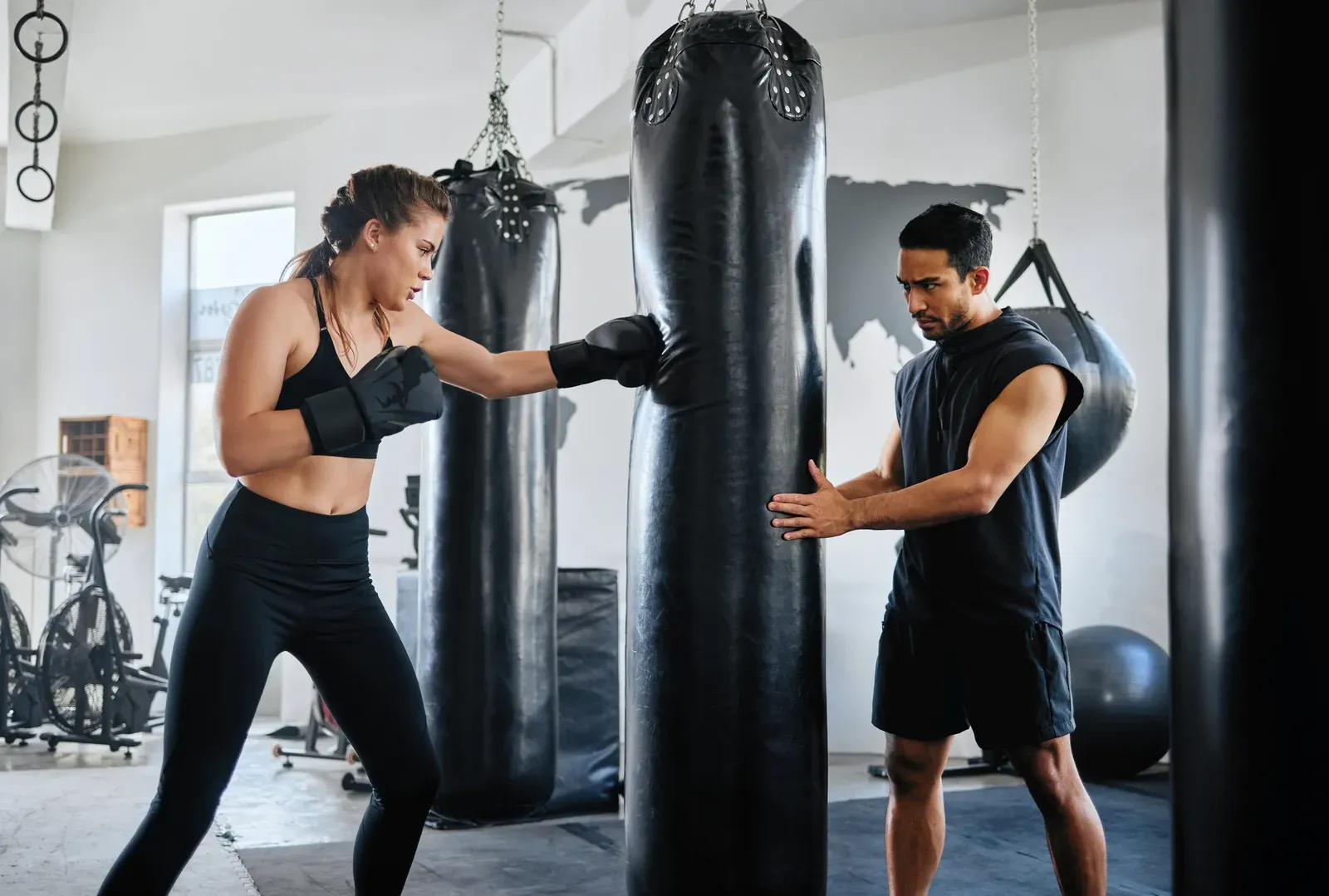
Marching band conditioning trains three things a rehearsal schedule rarely builds on its own: the postural strength to hold an instrument or a guard prop through a full show, the leg stamina for a season of long practices on hard turf, and the carrying endurance for an instrument that only gets heavier by the fourth quarter of a performance. A season that runs from August rehearsal blocks through competition weekends asks a lot of a young body, and most of what it asks is trainable, starting with a free consultation that fits around a rehearsal calendar rather than competing with it.
Carrying load without collapsing the posture
A brass or percussion player holding an instrument at performance height for an entire show is doing sustained isometric work through the shoulders, upper back, and core, the same demand a loaded carry trains in the gym. Without that strength, posture collapses gradually across a show, the instrument angle drops, and the visual effect a whole section worked toward slips a little each set. Training upper back and shoulder endurance, along with core bracing, gives a marcher the strength to hold position through the last note instead of the first half only.
The stamina a full field show actually demands
A field show is closer to interval conditioning than most students realize: sprints between formations, sustained marching, brief recoveries, repeated across a full run through, then repeated again in rehearsal. Leg strength and general conditioning both matter here, and a body that has trained intervals handles a full run through with gas left for the final formation, rather than fading visibly in the last thirty seconds the way an untrained one does. Carmel’s high school enrolls roughly 5,200 students, and a marching program at that scale means long rehearsal blocks and a genuinely demanding fall calendar for the students in it.
Why one on one coaching fits a band schedule
Marching band rehearsal is already a significant time commitment, so a conditioning plan needs to fit into the gaps rather than compete with them. One or two coached hours a week in a private suite at Carmel City Center, booked around rehearsal and competition schedules, cover posture, carrying strength, and interval conditioning without asking for more hours than a student already has. An InBody baseline at the start lets a coach see where posture and stamina actually stand before building the plan, and the same load carrying and interval logic shows up in dance and pom conditioning for students balancing a different fall activity, or in soccer conditioning for anyone splitting a season between two commitments.
A marcher who trains the carrying, posture, and stamina a full show demands walks off the field at the final note looking the way section one did, not the way a tired section four often does.
Related questions
Does marching band conditioning require special equipment?
No. Loaded carries, upper back and shoulder endurance work, interval conditioning, and core bracing cover the core demands, all available in a standard private suite with a rack, cables, and dumbbells.
How many training sessions fit around a band schedule?
One or two coached hours a week is a realistic dose alongside rehearsals and competitions, enough to build posture and stamina without crowding out practice time or schoolwork.
Is this training only for brass and percussion players?
No. Guard members carrying props and every marcher covering ground across a full show benefit from the same stamina and carrying strength, the specific muscles trained just shift slightly by role.