
Losing Strength on a GLP-1: Common Causes
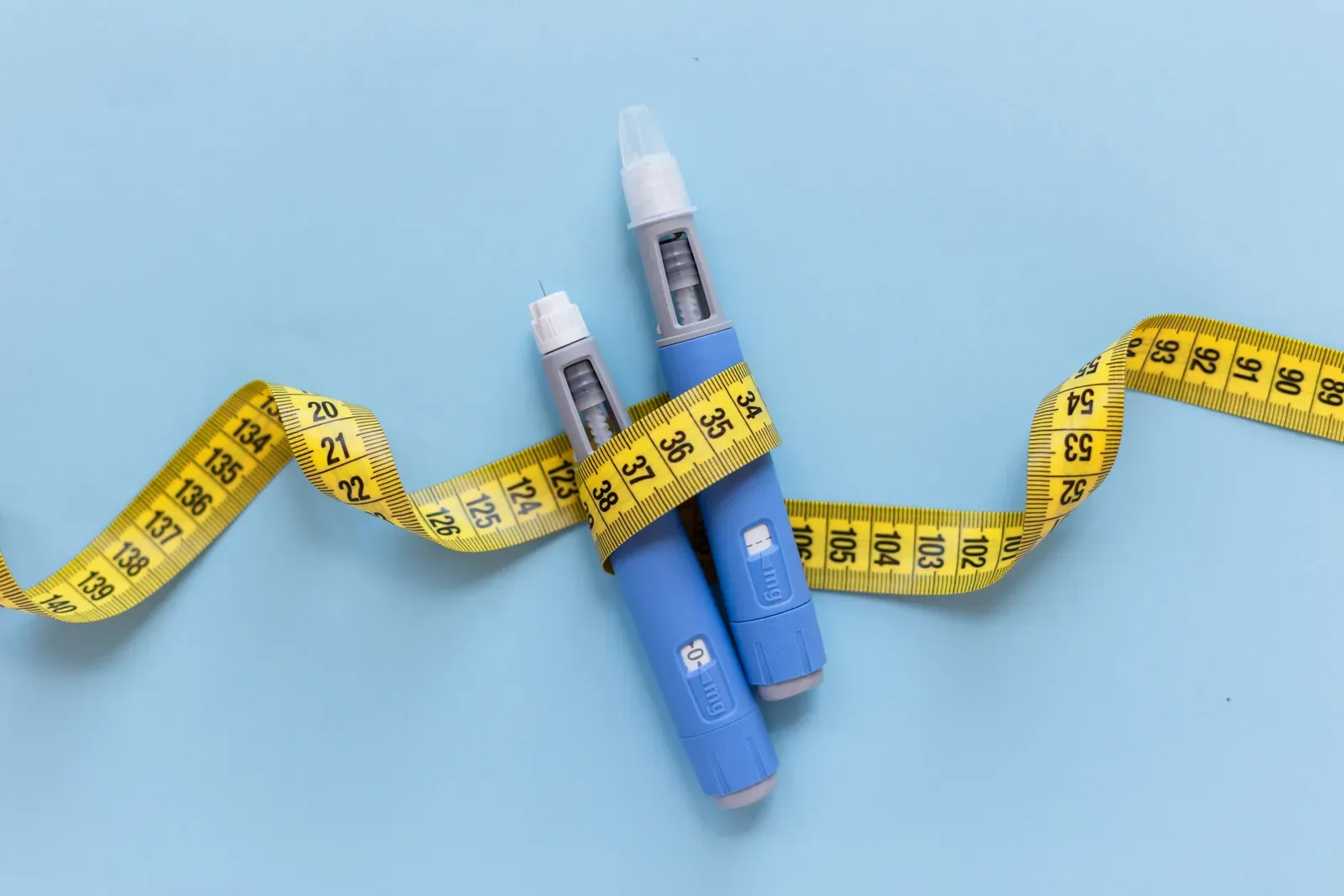
Losing strength while on a GLP-1 medication is common enough to have a short list of usual causes, and the first step is ruling out anything that needs your prescriber’s attention before assuming it is simply a training problem. Most strength drops on a GLP-1 trace back to one of three coachable causes: not enough protein, not enough resistance training, or sessions sized too big for a week of genuinely low energy, and all three are fixable without touching the medication itself. A coach’s job is sorting out which one is actually happening and adjusting the training around it, and the GLP-1 personal training page covers that division of labor in full.
The three coachable causes, roughly in order of likelihood
Not enough protein is the most common: a shrinking appetite makes protein the easiest thing to under eat, and without it, resistance training has nothing to rebuild with. Not enough resistance training is close behind: some people lean entirely on walking and light cardio during rapid loss, which supports general health but does not send the specific signal that protects strength. The third cause is sessions sized for a normal week during an abnormal one, since appetite and energy genuinely dip on these medications, and pushing a full intensity session through a low energy week produces poor performance that can look like strength loss when it is really a bad day poorly matched to the plan.
Ruling out a medical cause before assuming a training one
Before adjusting anything in the gym, a few things belong to your prescriber: whether a recent dose change explains the drop, whether persistent fatigue or another symptom is involved, and whether the pattern feels different from ordinary training fluctuation. A coach can flag the pattern, session numbers trending down over several weeks rather than one off day, but the medical read belongs entirely to your prescriber, and a responsible coach will say so rather than guess.
What fixing each cause actually looks like
Once a medical cause is ruled out, the fixes are straightforward. A protein shortfall gets solved with a specific daily target built around your goal weight rather than an ideal number your appetite cannot carry. A resistance training gap gets solved by adding two structured sessions a week, even short ones, since a beginner plan for starting to lift on a GLP-1 shows how little is actually required to send the signal. Oversized sessions get solved by sizing the week’s training to the week’s real energy, lighter loads and fewer sets on a rough week rather than skipping entirely.
When it is not really strength loss
Sometimes what feels like weakness is a normal, expected side effect of eating less: lower energy on a given day, not a lost capacity. Tracking, not guessing, settles the question, since a coach logging your working weights over several weeks will see whether the trend is genuinely downward or just noisy week to week. If strength keeps sliding even after these fixes, why some people regain weight after stopping a GLP-1 explains why durable strength habits matter beyond the current phase.
If your numbers have been sliding for more than a couple of weeks, bring the pattern to a free consultation and a coach will help sort out what is actually happening before guessing at a fix.
Related questions
How do I know if strength loss on a GLP-1 is a medical issue or a training issue?
A single off day is usually training related, low energy from reduced intake. A trend of declining numbers over several weeks, especially with other new symptoms, deserves a conversation with your prescriber first.
Can I fix strength loss just by eating more protein?
Often it helps significantly, since a protein shortfall is one of the most common causes. It usually works best paired with consistent resistance training rather than as a fix on its own.
Should I push through low energy sessions to avoid losing more strength?
No. Pushing a full intensity session through a genuinely low energy week tends to produce poor performance and added fatigue. Scaling the session down protects the habit better than forcing it.