
Exercises to Keep Up With Grandkids
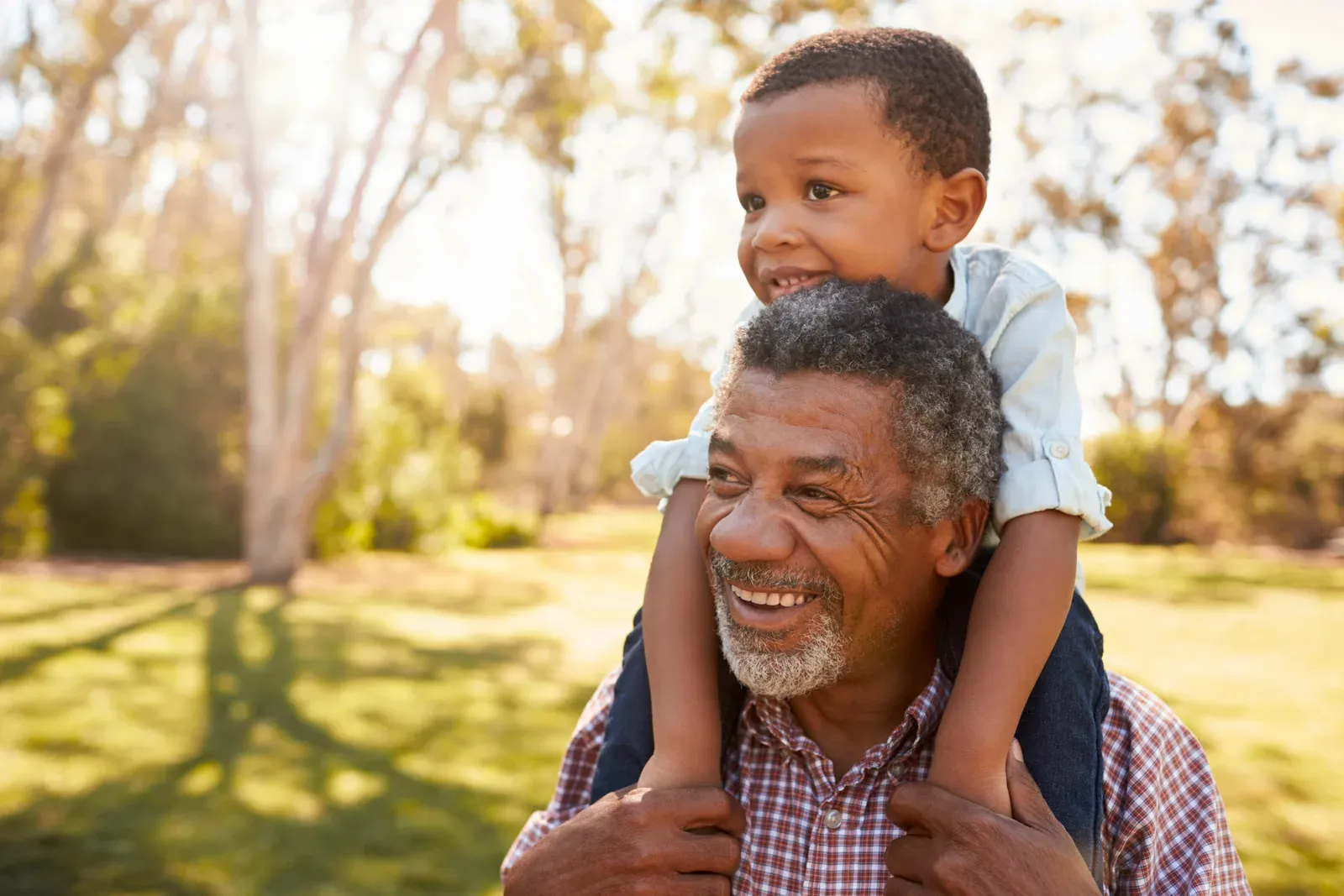
Keeping up with grandkids mostly comes down to three specific movements, not general fitness: getting up and down off the floor without using your hands, carrying an unpredictable, wriggling weight safely, and repeating short bursts of effort without needing a long recovery between them. A coach at FlexWerk in Carmel builds toward exactly those three things, starting with a free consultation that maps your current baseline against them. Many grandparents come to this after retiring, when the calendar finally has room for it, covered in our newly retired fitness routine guide.
The three movements grandparenting actually demands
Most fitness goals are abstract. This one is not. Grandkids create a very specific and repeated set of physical demands: sitting on the floor to play and getting back up without a struggle, lifting a child who is actively moving rather than cooperating, and matching a burst of running or chasing without needing to sit down afterward. Training for grandkids means building strength and endurance around those three demands directly, rather than a generic program that happens to help incidentally.
Floor-to-standing strength, the one most people lose first
Ask most grandparents which physical task worries them most and floor transitions come up constantly: sitting down to build with blocks, then getting back up again, ideally without a visible production out of it. That capability, technically a loaded squat pattern that starts and ends on the ground, is one of the first things to fade with a sedentary stretch and one of the most responsive to training. A few weeks of practicing controlled sit-to-stand work, gradually adding resistance, rebuilds it noticeably.
Carrying strength for car seats, groceries, and squirming toddlers
Carrying a child is nothing like carrying a barbell. The load shifts constantly, the child squirms, and the grip and core demands are higher than the actual weight would suggest. Loaded carries, farmer walks with dumbbells, offset carries with weight on one side, train exactly that unpredictable-load quality, along with grip strength that tends to be underappreciated until a diaper bag, a car seat, and a toddler’s hand all need managing at once.
Building it without overdoing it
Short bursts, not long endurance work, matter most here, since chasing a grandchild around a yard is closer to repeated sprinting than a steady jog. Interval-style conditioning, brief efforts with real recovery between them, trains that pattern directly. A once-a-week yoga class is a fine complement, though on its own it will not build the carrying and floor strength this page is actually about. An existing joint issue, a knee, a hip, a shoulder that has bothered you for years, does not rule any of this out. It shapes it: a coach programs around whatever a physician or physical therapist has cleared, the same approach covered in training around an injury, and adjusts the movements above to fit rather than skipping them entirely.
If your last visit with the grandkids ended with more soreness than you expected, or a floor session you were slower to get up from than you would like, that gap is trainable. Book the free consultation and build toward the three movements that actually matter.
Related questions
What is the single most useful exercise for keeping up with grandkids?
If forced to pick one, a loaded sit-to-stand pattern, essentially a squat that starts and ends on the floor, covers the movement most grandparents actually lose first and use most often around small kids.
I have a bad knee. Does that rule out training for this?
Not usually. A coach can build around a known knee issue with modified movements and appropriate loading, especially once a physician or physical therapist has weighed in on what is safe. The goal shifts to strengthening what supports the joint, not avoiding movement altogether.
How is this different from a normal beginner strength program?
The exercises overlap heavily with any solid beginner program. What is different is the framing: everything gets chosen and explained in terms of an actual grandparenting task, a car seat, a floor session, a backyard chase, rather than an abstract fitness goal.