
InBody Visceral Fat Level 10: Reading the Number
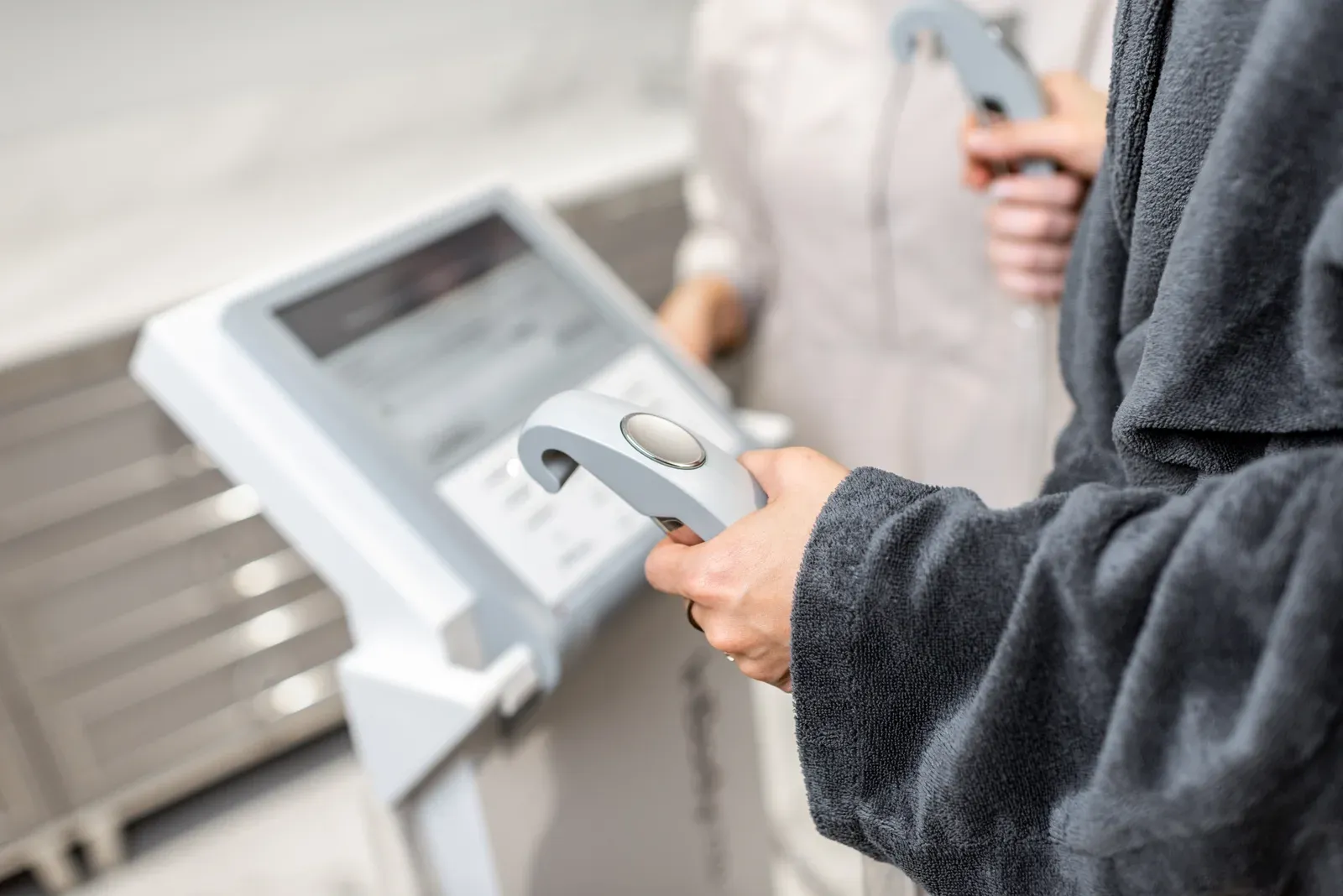
On an InBody sheet, visceral fat is reported as a level from 1 to 20, and level 10 is where the manufacturer’s materials draw the line for a high reading: it is the first flagged number, not a percentage, not pounds, and not a diagnosis. A 10 means the scan’s model estimates enough deep abdominal fat to cross that threshold, and 9 and 11 are its immediate neighbors rather than different categories. Reading the level well means knowing what one step on the scale represents, what moves it, and when the number becomes a question for your physician. FlexWerk includes the scan in its free consultation at Carmel City Center, so you can see your own level before deciding what to do about it.
How the 1 to 20 scale works
The level is a modeled estimate of the fat packed around your abdominal organs, expressed as steps rather than as a measurement. The scanner never sees your organs; it estimates the deep fat from your impedance readings, age, sex and the shape of your trunk, then places the result on a scale where low single digits mean little deep fat and the upper teens mean a great deal. Manufacturer materials describe each level as a step in the estimated cross-sectional area of that fat, which is why the number climbs in whole units rather than decimals. What the concept of visceral fat is and why it matters for health is covered in what is visceral fat; this page is only about reading the level.
What level 10 means, and what it does not
Level 10 means the estimate has reached the boundary the sheet treats as high, and that is all it means on its own. It does not say how the fat is affecting you, whether your labs are off, or whether a slim person carrying a 10 is in more or less trouble than a heavier person carrying a 9. Those are questions for your physician, and if a 10 or above shows up on your printout, the practical move is to bring it to your next appointment along with any waist measurement you have. Three things keep the number in proportion:
- It is one estimate under one set of conditions. A scan after a large meal or during a stretch of water retention can read a level higher than the same body would on a clean morning.
- Neighboring levels are neighbors. Moving from 11 to 10 to 9 is progress along one line, not a jump between categories.
- The level tracks total fat loosely, not exactly. Two people can share a body fat percentage and read several levels apart.
What actually moves the level
The level falls when total body fat falls, and it tends to respond earlier than the fat you can see, but it moves in whole steps and lags a few weeks behind the fat mass line. Nothing targets it directly; an honest calorie balance, strength training a few days a week to protect muscle, regular walking or cardio, and reasonable sleep and alcohol habits are the whole toolkit. Expect it to sit still on a rescan or two before dropping a step, and expect an occasional step up that is water rather than fat. Daily movement matters more than people assume, and in Carmel the practical obstacle is the calendar: daylight at the December solstice runs more than five hours shorter than in June, so an evening walk plan that works in July needs an indoor version by November.
How a coach reads it with you
A coach uses the level as one of four headline numbers and never as a scare tactic. At a first scan it shapes the priority: a flagged level alongside a short muscle bar points to building muscle while trimming fat, which is a different program than fat loss alone. On rescans, taken under matched conditions every four to six weeks, the coach watches the level next to body fat mass and waist measurement, since all three should drift the same direction. When they disagree, the coach checks the scan conditions before the plan. What the coach does not do is interpret the level medically; that stays with your physician, and the InBody Score and every other line on the sheet are decoded in InBody scan results explained.
If your last printout showed a 10 and nobody explained it, a coached rescan is a better next step than another evening spent searching the number.
Related questions
Is visceral fat level 10 dangerous?
It is the first level the sheet flags as high, which makes it worth a conversation with your physician, not a reason to panic. The scan estimates deep fat; whether it affects your health depends on labs, history and factors the machine cannot see.
How fast can the visceral fat level drop?
It commonly moves in whole steps and lags the fat mass line by a few weeks, so a change of one or two levels over a few months of consistent fat loss is the typical shape. Nobody can promise a rate.
Why did my visceral fat level go up when I lost weight?
Usually scan conditions: a big meal, water retention or a different time of day can nudge the estimate up a level. If the fat mass line and your waist are both down, trust those and rescan under matched conditions.