
Training During a Growth Spurt: What Changes
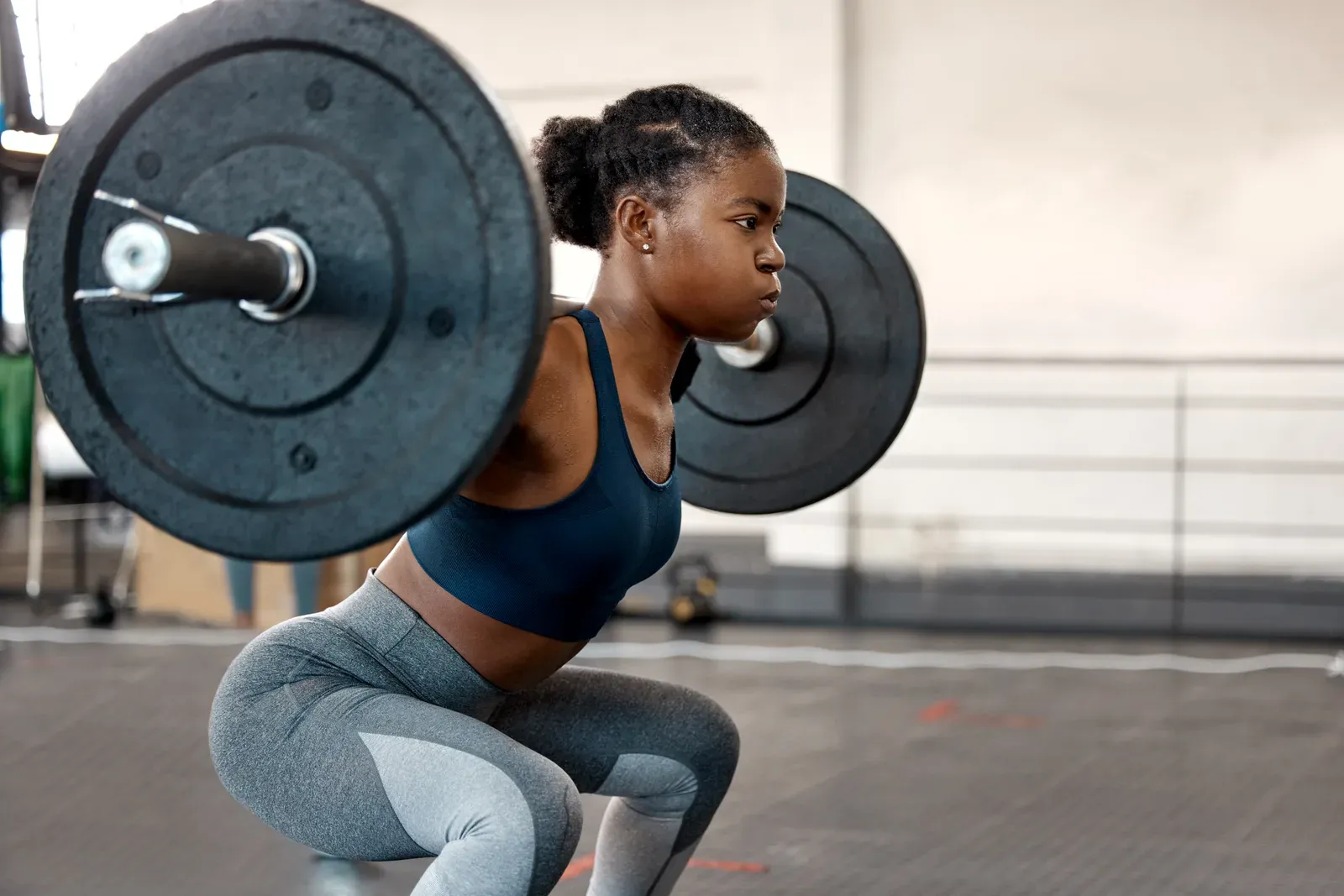
A growth spurt lengthens an athlete’s limbs faster than their nervous system relearns how to control them, which is why a normally coordinated kid can suddenly look clumsy on the same drills they mastered months earlier, and safe training here means adjusting load and adding balance work, not pushing through the awkward phase on the usual schedule. A coach at FlexWerk in Carmel treats a fast growth stretch as its own short training phase, and it is worth raising at a free consultation so the program actually accounts for it.
Why growth spurts make kids clumsy for a while
Bones can lengthen faster than the brain updates its map of where the body’s joints now sit in space. The result is a temporary mismatch: reach, stride length, and jump height all change, sometimes within a matter of weeks, while the coordination that used to match the old proportions has not caught up yet. This shows up as missed landings, awkward footwork, and a general sense that a previously smooth athlete has gotten worse rather than better, which understandably worries parents who assume something is wrong. Usually nothing is wrong; the body is just mid-update. This same pattern is exactly what shows up in volleyball players near Fishers who grow fast mid-season, just applied to one sport’s particular landing and jumping demands.
Safe loading rules while the body is changing
The instinct to push harder during a stretch when an athlete looks like they are falling behind is understandable and usually backward. A few rules keep training productive instead of risky during this window:
- Hold load steady rather than progressing. This is not the stretch to chase a heavier lift or a new personal best.
- Prioritize technique over intensity. Movement quality is the actual goal right now, and it is what closes the coordination gap fastest.
- Watch for pain, not just soreness. Ordinary muscle fatigue is normal. Sharp or localized joint pain, especially around the knees or heels, is not, and deserves a physician’s look.
- Expect a temporary dip, not a permanent one. Coordination reliably comes back once growth slows and the nervous system catches up.
The balance and landing work that pays off most right now
If there is one category of training worth emphasizing during a growth spurt, it is balance and landing mechanics. Single leg holds, controlled step downs, and slow, deliberate landing drills give the nervous system focused practice at exactly the skill that lagged, recalibrating to the new limb length under a coach’s eye rather than during an actual game, where the stakes of a bad landing are much higher. The payoff compounds too, since the coordination rebuilt now becomes the base an athlete carries into whatever comes next, whether that means a season with overlapping sports, covered in our multi sport athlete guide, or simply the next few years of getting taller.
When to bring in a physician
Most growth related awkwardness resolves with patience and the training adjustments above. What should not simply be waited out is pain: anything sharp, localized, or worsening, particularly around growing joints, is worth a physician’s evaluation before training continues at the same intensity. A coach adjusts around whatever guidance comes back; a coach does not make that call independently. The same conservative instinct applies to fatigue and performance drops that go beyond ordinary awkwardness, covered in signs of overtraining in youth athletes, since a growth spurt and overtraining can look similar from the outside but call for different responses.
If your athlete has grown noticeably this year and their usual drills suddenly look off, that is very likely growth catching up to coordination, not a skill regression. Book the free consultation and build the next few months around it.
Related questions
How long does the clumsy phase of a growth spurt usually last?
It varies by athlete, commonly a few months while coordination catches up to new limb length. Consistent, coached movement practice tends to shorten that window compared to simply waiting it out.
Should we reduce training entirely during a growth spurt?
Not entirely, but holding loads steady or backing off slightly rather than pushing new personal bests is the right call. This is a technique and balance window, not the moment to chase a heavier lift.
When do growth related aches need a physician instead of just rest?
If pain is sharp, localized, worsening, or does not ease with a few easy days, that is worth a physician visit rather than assuming it is ordinary growth soreness. A coach should never be the one deciding that call.