
GLP-1 Over 60: Protecting Muscle While You Lose
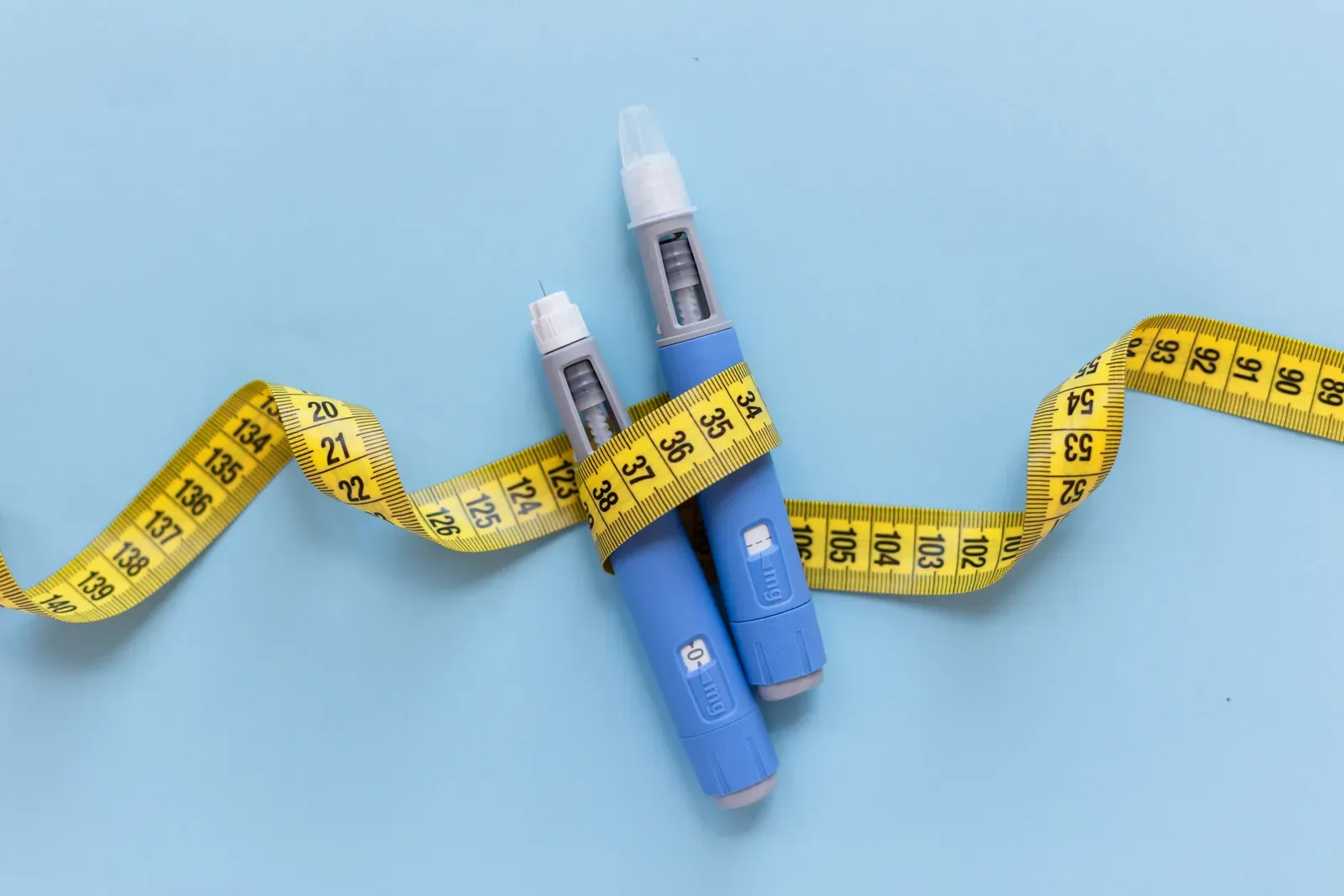
If you are over 60 and starting a GLP-1 medication, your prescriber owns the medication and your physician sets any limits on exercise, and both should know that muscle protection is part of your plan. After 60 the muscle lost during rapid weight loss is harder to rebuild and matters more, because you are drawing from a smaller reserve; the countermeasure is the same as for younger adults, two coached strength sessions a week and protein at every meal, but the margin for skipping it is gone. At FlexWerk in Carmel, GLP-1 personal training for older clients is built around that reality, with your clinical team’s guidance shaping every session.
Why the same weight loss costs more after 60
Because muscle after 60 is both scarcer and slower to rebuild. Adults who do not train lose lean mass steadily from midlife on, so a 65-year-old starting a medication typically has less to spare than a 40-year-old losing the same number of pounds. Older muscle also responds less readily to a given dose of protein or training, a pattern researchers call anabolic resistance, which means the building signal has to be stronger and more consistent to get the same result. Put those together and a 30-pound loss that takes a quarter of its weight from lean tissue leaves an older adult noticeably closer to the line where stairs, floors and grocery bags become hard.
That line has a name, sarcopenia, and it is the reason muscle loss at this age is not a cosmetic issue. Leg strength decides fall risk, grip strength tracks with independence, and both fall fastest when weight comes off quickly with nothing telling the body to keep the muscle.
The 2026 change in the background: Medicare began covering GLP-1 medications for some beneficiaries in mid-2026, which is bringing first-time users in their 60s and 70s to these medications. Coverage of the medication is not coverage of the training around it; Medicare and fitness benefits explains what plans typically do and do not pay for.
What a coach changes for an older client
The program looks like ordinary strength training with its edges rounded and its priorities rearranged:
- Legs first. Sit-to-stand mechanics become box squats, hinges start from an elevated position, step-ups replace anything that needs a jump. Leg strength is the muscle that keeps you independent, so it gets the most attention.
- Protein per meal, not per day. Older muscle responds better to a solid dose at each meal, commonly around 25 to 30 grams, than to one large dinner. On a small appetite that means protein first on the plate, every time.
- Balance woven in. Single-leg stands, carries and controlled step-downs sit inside every session, because a body losing weight quickly is also recalibrating its balance.
- Fluids and dizziness watched. Reduced appetite quiets thirst too, and light-headedness on standing is a prescriber conversation, not something to train through.
- Sessions sized to the week. Two sessions of 45 minutes is the standard dose; on a low week the session shrinks rather than disappears.
The building case for strength at this age is well documented; is it too late to build muscle at 70 lays it out, and everything there applies while a medication is in the picture.
Questions to ask your prescriber before the first session
- Is there anything about my heart, blood pressure or medications that should limit how hard I train?
- Do you want a body composition or bone density baseline before I lose much weight?
- Is my protein target affected by my kidneys or any other condition?
- What signs of dizziness, weakness or fatigue do you want to hear about right away?
- Should my physical therapist, if I have one, be part of the plan?
Bring the answers to your coach. Their job is to build inside them, not around them.
How to watch the muscle, not just the scale
The scale falls on a GLP-1 medication almost regardless, so it cannot tell you whether the plan is working. Three cheaper signals can. An InBody body composition scan, free at the FlexWerk consultation, splits weight into muscle and fat so a re-test every six to eight weeks shows lean mass holding while fat drops. A monthly 30-second sit-to-stand test tracks leg strength in one minute with a kitchen chair. And the training log itself, loads and reps climbing slowly, is the plainest evidence that muscle is being kept.
Getting there is deliberately easy for an older beginner: sessions are one-on-one in a private suite at Carmel City Center, garage parking is a short walk away, and weekday hours open at 5 AM for anyone who prefers a quiet morning. Talk to your prescriber first, then book a free consultation and start the muscle side of your plan while the reserve is still there to protect.
Related questions
Is a GLP-1 medication safe to combine with strength training after 60?
That is a question for your prescriber, and most older adults get a yes with a few specifics attached, such as a heart rate ceiling or a note about blood pressure. A coach then builds the program inside that guidance and sends anything medical back to the clinical team.
How much muscle can I expect to lose on a GLP-1 medication at my age?
Studies of rapid weight loss commonly find a quarter or more of lost pounds can come from lean mass when nothing signals the body to keep it. Progressive strength work and adequate protein shrink that share, and an InBody re-test every six to eight weeks shows whether they are working for you.
My adult children are worried about frailty. What should I tell them?
That the risk is real and that it is the most preventable part of this process. Leg strength and protein habits protect against frailty directly, and attending the free consultation together is a normal way for families to start.