
Exercise After Breast Cancer Surgery: Arm and Chest Care
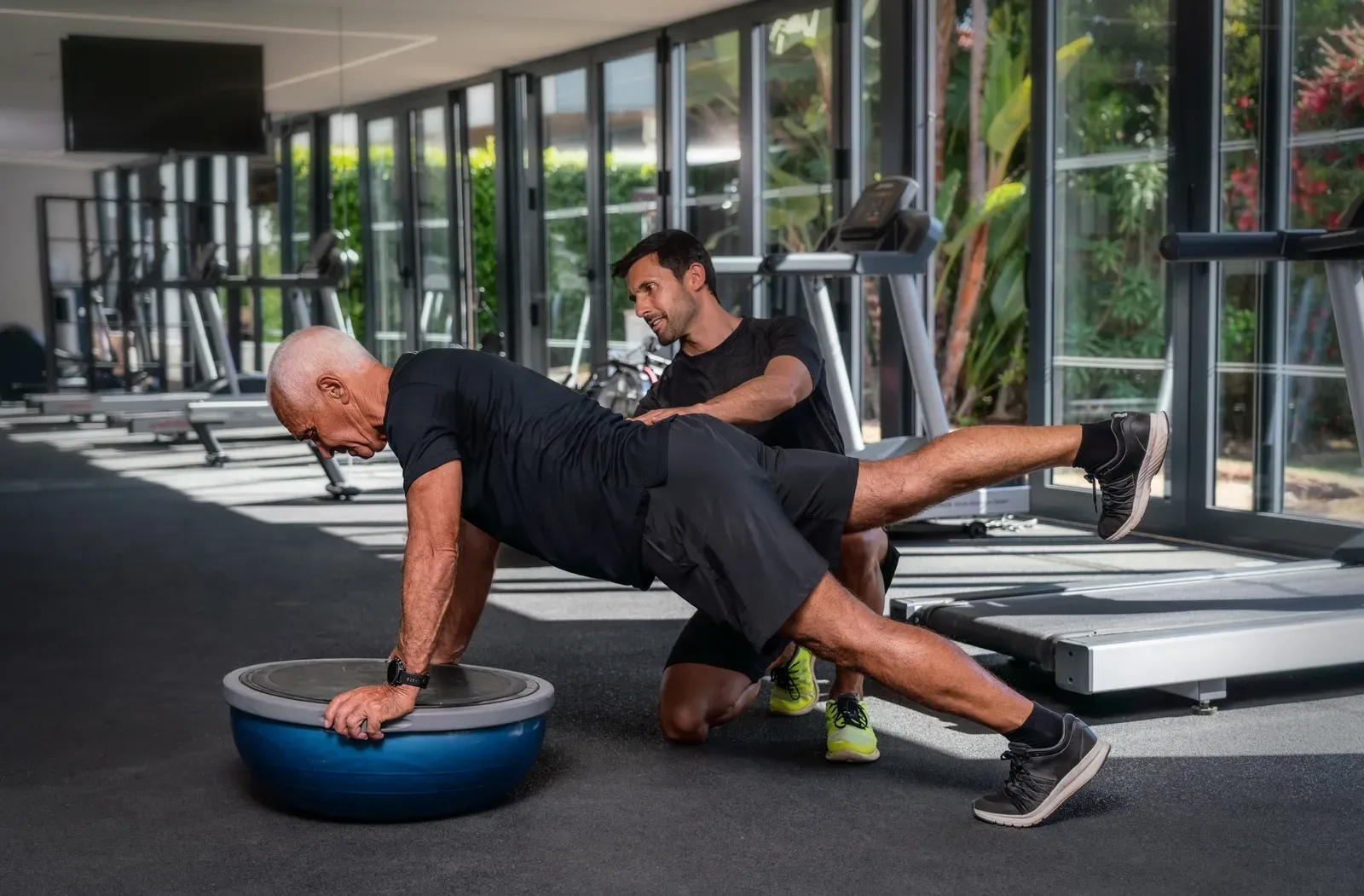
Exercise after breast cancer surgery is usually appropriate once your surgeon or physical therapist clears it, and the program that follows typically focuses on rebuilding arm and shoulder range of motion, respecting any lymphedema precautions, and progressing chest and upper body loading carefully if reconstruction was involved. Surgery that removes breast tissue, and especially surgery that removes lymph nodes alongside it, commonly leaves the arm on that side stiffer and weaker than the other, and rebuilding that range deliberately is a real part of recovery, not an afterthought. At FlexWerk in Carmel, that rebuilding happens in a private, one-on-one room, and it starts with your surgical history at a free consultation.
Questions to ask your surgical team before training resumes
- Am I cleared for arm and shoulder movement, and to what range so far?
- Were lymph nodes removed, and do I need lymphedema precautions during exercise?
- Did reconstruction happen, and does that change chest pressing or loading?
- Is there a weight limit for the affected arm right now?
- What symptom in the arm, swelling especially, should send me back to you?
Rebuilding arm and shoulder range
A surgical side that has been protected, bandaged, or simply guarded out of caution often loses range of motion that has nothing to do with strength and everything to do with disuse. Gentle, guided movement through whatever range your surgeon has cleared, expanded gradually as healing allows, is usually the first priority, well before any real loading of that arm begins. Coaches watch this closely rather than assuming both sides are ready to train the same way.
Working around lymphedema precautions
When lymph nodes are removed, some patients carry a lifelong risk of lymphedema, swelling caused by disrupted lymph drainage, and surgical teams sometimes issue specific precautions around the affected arm, like avoiding sudden heavy loading or repetitive strain without building up gradually. A coach who knows this precaution respects it exactly as written, watching for any new swelling and treating it as a reason to scale back and report to your medical team, not as something to push through.
Chest and upper body work after reconstruction
If reconstruction was part of your surgery, chest pressing and certain upper body movements may need a more conservative timeline, since healing tissue and, in some cases, implants or tissue flaps need time before they tolerate real load. A coach builds pressing back in gradually, watching how the chest wall responds, rather than treating it the same as an uninjured shoulder from the first session.
Why the room matters here
Scars, one-sided changes, drains that are still in place, or a body that simply feels unfamiliar are private matters, and training in a reserved private room means nobody else is watching while you relearn a movement or a range that used to be automatic. That privacy is not a small detail in this situation, it changes whether some women feel comfortable training at all during this stretch.
Related recovery reading
This page focuses specifically on the surgical and arm related side of recovery; the broader question of fatigue paced coaching through cancer treatment generally is covered in a personal trainer after cancer treatment in Carmel, and exercise after prostate cancer treatment covers a different surgery with its own specific concerns. However you got here, telling a trainer about your health history explains why the full picture, not just the highlights, helps a coach build safely. Once your surgical team has cleared you, a consultation is where the specific plan for your arm and your history begins.
Related questions
When can I start lifting my arm overhead again after breast cancer surgery?
That depends on your specific surgery, whether lymph nodes were removed, and any reconstruction involved, so your surgeon or physical therapist sets the timeline. A coach then works within whatever range has been cleared and expands it gradually.
Do I need to worry about lymphedema during training?
If your surgical team has flagged lymphedema risk, yes, those precautions apply during exercise the same way they apply to daily life. A coach who knows the precaution builds around it rather than loading the arm carelessly.
Will a coach ask about my surgery and scars?
A good one will, gently and only to plan safely, not out of curiosity. Sharing the full picture, including reconstruction and any restrictions, lets a coach build a program that respects what your body has actually been through.