
DEXA Scan in Carmel, or Is an InBody Enough?
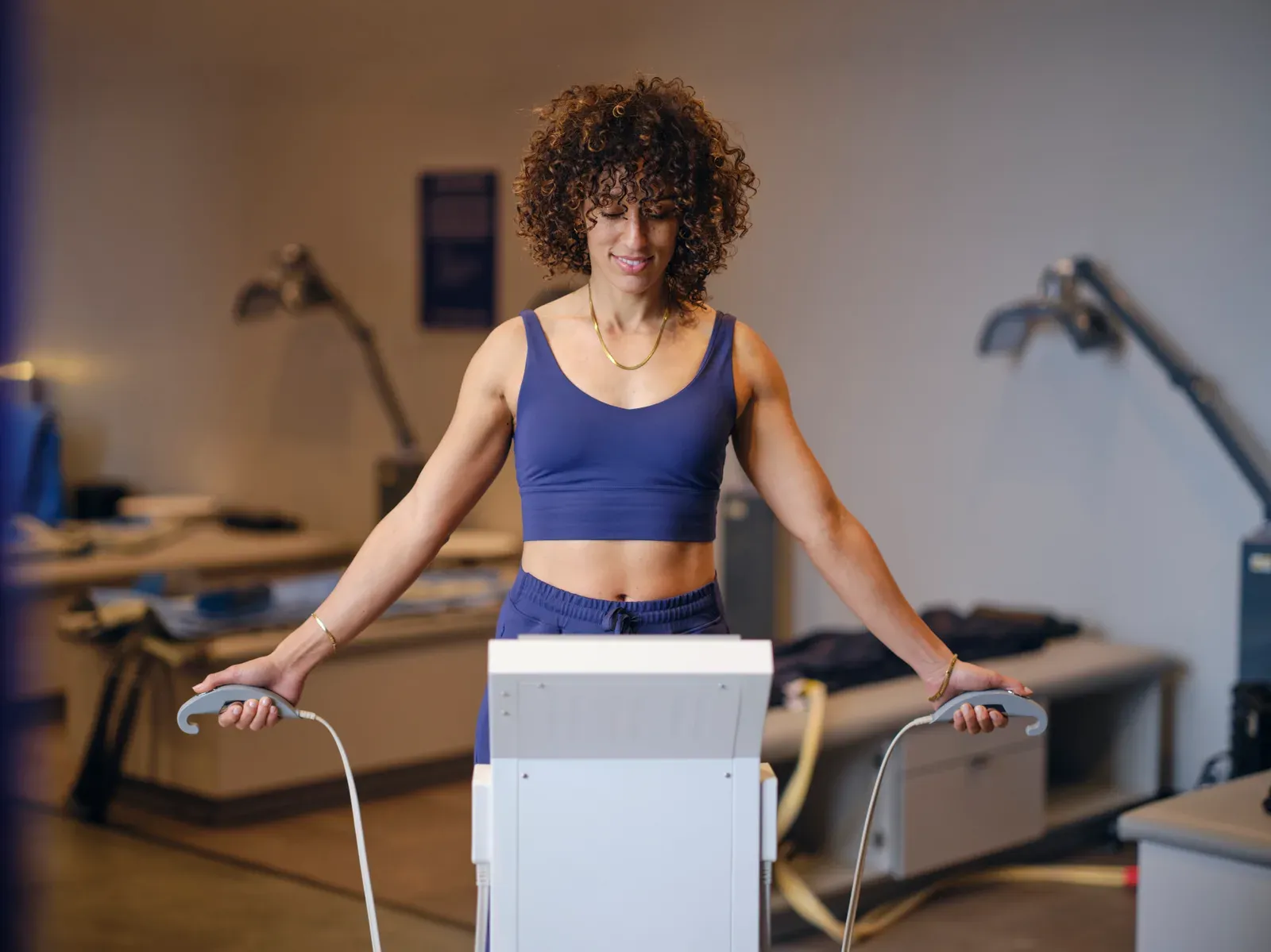
A DEXA scan in Carmel is booked through clinical provider types, hospital imaging departments, outpatient radiology centers and some sports medicine or physician practices, usually as a self-pay body composition appointment, and for most people training toward a goal it is the occasional audit rather than the tracking tool; the InBody scan FlexWerk includes free with its consultation at Carmel City Center is the one you repeat. Both are estimates, both are useful, and they answer different questions. Start with the free consultation if you want a baseline this week; read on if you are deciding whether to spend on the clinical scan at all.
Where DEXA scans come from in the Carmel area
Gyms rarely run DEXA machines, because the device is an X-ray unit, so the search leads mostly to clinical settings. In the Carmel area that means a few provider types: the imaging departments of the hospital systems along the Meridian Street corridor, standalone outpatient imaging centers, a small number of sports medicine or physician-led wellness practices, and occasionally a dedicated body composition scan service. Before booking, ask three questions. First, is the appointment a body composition protocol or a bone density protocol, since the same machine runs both and they produce different reports. Second, does the report include regional lean and fat by arm, leg and trunk, which is the part that makes DEXA worth the trip. Third, what is the self-pay price and does the facility require a physician’s order, because policies vary by provider and a scan booked for fitness purposes is typically self-pay rather than billed to insurance.
When the clinical scan is the right call
DEXA earns its appointment in four situations. If bone density belongs in your conversation at all, because of age, menopause, a fracture or family history, ask your physician whether a clinical bone scan is warranted; that is a medical decision, and the same technology answers it. If you want a one-time, high-resolution audit before a long program, the regional breakdown is information no impedance device provides. If you are a competitive athlete whose sport tracks composition to the pound, the tighter estimate matters. And if you have a medical reason your clinician wants a reference-grade measurement, follow that guidance. In every case the scan involves a very low dose of radiation, so mention any chance of pregnancy when you book.
When an InBody is enough
For tracking, which is what training decisions actually run on, an impedance scan taken every four to six weeks on the same machine is the more useful instrument. It takes about a minute, involves no radiation, needs no clinic appointment, and at FlexWerk the baseline is free, with a coach reading it beside you. The accuracy comparison lives in InBody vs DEXA; the short version is that the two agree well on direction and disagree by a few points on absolute values, and direction is what steers a program.
The honest test: if you would only ever get one scan, DEXA gives you the better single snapshot. If you plan to re-test every training block, the scan you will actually keep taking is the one that improves your training, and free plus sixty seconds wins that contest for almost everyone. How the InBody compares with the device in your bathroom is a separate question, covered in InBody vs smart scale.
Using both without confusing yourself
Some Carmel clients do both, and it works with one rule: never lay a DEXA number beside an InBody number and call the difference progress. The two run different models and will disagree by design. Book the clinical scan as a yearly or one-time audit, keep the impedance scan as the monthly steering, and compare each only to itself. If you bring a DEXA report to the free consultation, a coach will read it with you and set the InBody baseline the same week, so both trend lines start from the same point. The wider testing landscape, including calipers and home devices, is surveyed in the Carmel body composition guide.
Whichever scan you choose, choose it for the job in front of you: audit or steering. The free one sits a short walk from the Monon Trail and takes less time than finding parking at an imaging center.
Related questions
Do I need a doctor's order to get a DEXA scan for body composition?
It depends on the provider. Some imaging centers accept self-referrals for a self-pay body composition scan, while hospital departments may require an order. Ask when you call, and ask separately whether the appointment is a bone density or a body composition protocol.
How much does a DEXA scan cost in Carmel?
Self-pay body composition scans are priced by each provider and vary widely, so call for a quote. The InBody scan at FlexWerk is free as part of the free consultation, with no membership or purchase attached.
Is a DEXA scan safe to repeat every month?
The radiation dose is very low, but repeating it monthly is rarely worth the cost or the clinic visits when an impedance scan tracks direction well. Ask your physician if you have a medical reason to scan more often.